


₦0
The Creative Economy Is Growing. Is Your Creative Business Easy to Work With?

There is no shortage of creative talent in Nigeria.
From fashion designers and photographers to filmmakers, graphic designers, animators, event producers and digital creators, creative professionals are finding new ways to turn ideas into businesses.
This week, Lagos is hosting Entertainment Week Africa, bringing together creative professionals, businesses, investors and brands across several sectors of the creative economy. The conversations extend beyond showcasing talent to exploring partnerships, commercial opportunities and sustainable creative businesses.
It raises an important question for anyone building a creative business:
Beyond the quality of your work, how easy is it for someone to do business with you?
You may have an impressive portfolio, a unique creative style and the technical ability to deliver excellent results. But when a potential client wants to hire you, can they understand your services, find the information they need, agree on the scope of work and move through the project without unnecessary confusion?
Creative ability may get someone’s attention. A professional business experience helps turn that attention into an actual working relationship.
Here are six things creative businesses should consider.
1. Make It Easy for People to Understand What You Offer
Imagine visiting the page of a creative business and seeing beautiful photographs, impressive designs or several completed projects.
The work looks good, but you still cannot tell exactly what the business offers.
Does it provide photography services or full video production? Does the designer only create logos, or can they develop a complete brand identity? Does the fashion business accept custom orders, wholesale enquiries or only ready-to-wear purchases?
This uncertainty can make potential clients hesitate.
Your business should communicate its services clearly.
Start with a straightforward description of what you do, who you serve and the kind of work clients can engage you for.
You can also organise your services into clear categories instead of presenting everything as one long list.
For example, a creative studio could separate its offerings into brand identity, graphic design, digital design and print production.
A production company might distinguish between filming, editing, photography and complete production services.
The objective is simple: someone should not have to investigate your business extensively before understanding how you can help.
Make your services easy to discover and easier to understand.
2. Let Your Portfolio Explain More Than Your Talent
A portfolio is one of the most important tools a creative business has.
But simply displaying finished work does not always tell a potential client what they need to know.
They may admire a design without understanding what the project involved, what your business contributed or whether you have experience handling a similar request.
Instead of only displaying completed work, give selected projects some context.
For each project, consider including:
The brief: What did the client need?
The challenge: What was the business or creative problem?
Your contribution: What exactly did you handle?
The execution: How did you approach the work?
The outcome: What was delivered, and what changed where this can be verified?
This transforms a collection of attractive visuals into evidence of how your business thinks and works.
It is also important to organise your portfolio. Group related services or projects together so that potential clients can quickly find examples relevant to their needs.
You do not need hundreds of projects to make a strong impression. A smaller selection that clearly demonstrates your capabilities can be more useful than an extensive gallery without context.
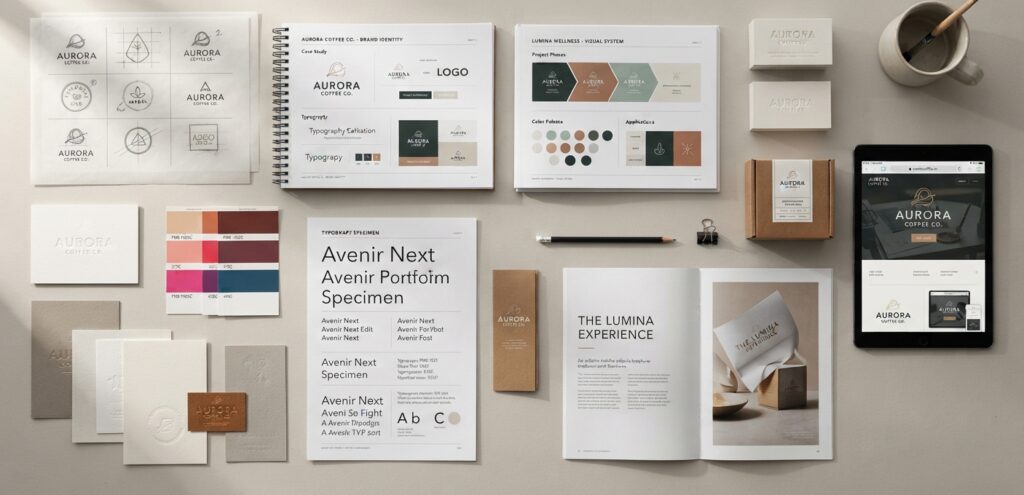
3. Make It Straightforward for Clients to Start Working With You
A potential client has found your business, understands your services and likes your previous work.
What happens next?
Do they know where to enquire? Is there a contact form? Do you have a professional email address? Can they request a quotation or schedule an introductory conversation?
These details might seem small, but they influence how easily someone can move from interest to engagement.
Creative businesses should establish a clear enquiry process.
For example, when a client gets in touch, you might request:
Their name and business details.
The service they are interested in.
A short description of the project.
Their expected timeline.
Their estimated budget, where appropriate.
Any references or materials that could help explain the brief.
This information gives you a better understanding of the request before committing to a discussion or quotation.
It also makes the initial interaction more organised for both parties.
You do not need complicated systems to achieve this. Depending on the size of your business, a structured enquiry form, professional email address or well-organised booking process may be enough.
4. Discuss the Important Details Before Starting the Project
Creative projects can become frustrating when both parties have different expectations.
A client may expect unlimited revisions. The creative team may have planned for two rounds of changes. A project that was expected to take a week may end up requiring several additional weeks because the deliverables were never properly agreed upon.
Many of these misunderstandings can be reduced before work begins.
Make sure both parties understand:
Scope of work: What exactly are you creating or providing?
Deliverables: What will the client receive at the end of the project?
Timeline: When will the project begin, and when should each major stage be completed?
Pricing: What is included in the agreed fee, and what would attract additional charges?
Revisions: How many rounds of changes are included, and how should feedback be submitted?
Responsibilities: What information, approvals or materials must the client provide?
Put these details in writing, whether through a formal proposal, project agreement or clearly documented quotation.
For projects involving creative ownership or usage rights, make sure those terms are also discussed and agreed upon.
Being clear about these details does not make your business difficult to work with. It helps both parties understand what they are committing to.
5. Communication Is Part of the Service
Good creative work does not excuse poor communication.
A client who has paid for a project should not constantly have to chase updates or wonder whether their work has started.
You do not need to be available every minute of the day, but clients should know how and when they can expect to hear from you.
Consider establishing simple communication practices:
Acknowledge new enquiries within a reasonable timeframe.
Let clients know when their project has officially started.
Share updates at agreed project milestones.
Communicate early when delays or challenges arise.
Give clients clear instructions for providing feedback and approvals.
Also, avoid assuming that a client understands your internal creative process.
Explain what happens at each stage, especially when the project involves research, development, production or multiple rounds of approval.
A little communication can prevent unnecessary uncertainty and help projects move forward more smoothly.

6. Make the Final Delivery as Professional as the Work Itself
Completing the creative work is important, but how you deliver it also contributes to the client’s experience.
Imagine receiving an impressive brand identity, but the files are scattered across multiple folders, some formats are missing and there is no explanation of how to use the final assets.
The creative work may be excellent, but the handover makes it harder for the client to use what they have paid for.
Think about what a professional handover should include.
Depending on the service, this might involve:
Clearly labelled and organised final files.
Agreed file formats and versions.
Print-ready or web-ready assets where required.
Usage instructions or a simple brand guide.
Relevant documentation and agreed supporting materials.
A clear explanation of any outstanding items.
You can also follow up after delivery to confirm that the client has received everything agreed upon.
For ongoing services, this may be an opportunity to discuss future support or additional requirements.
The goal is to make sure clients can actually use and benefit from what your business has created.
Creative Talent Needs a Business Structure Behind It
The creative economy creates opportunities for people and businesses with the ability to produce valuable work.
But building a sustainable creative business involves more than being good at what you do.
People need to understand your services. Your portfolio should communicate your capabilities. Your enquiry process should be clear, expectations should be documented, communication should be reliable and final deliverables should be properly organised.
These details may happen behind the scenes, but they influence whether a potential client feels confident engaging your business.
The next opportunity may come through a recommendation, an industry event, a social media post or a direct enquiry.
When it does, make sure your business is ready to handle it.
Don’t just make good work. Build a business people can confidently work with.
Where Branda Fits
A professional creative business also needs a brand presentation that reflects the quality of its work.
Your business identity, website, portfolio, company profile, presentations and promotional materials all help communicate your capabilities to prospective clients and partners.
Branda brings together creative design, web development, printing, custom merchandise and other branding solutions to help businesses present themselves professionally across different touchpoints.
Whether you’re establishing a creative studio, growing an independent business or preparing your company for new partnerships, the way you present your work should support the opportunities you want to attract.
Give Your Creative Business the Presentation It Deserves
Your work deserves to be seen, understood and taken seriously.
Explore how Branda can help strengthen the way your business presents itself.
Great creative work deserves a great business experience behind it.
On A Final Note
Ready to shop?
Order all branding services from this article and more on Branda, delivered to you.
Shop on Branda →Ready for bulk or special orders?
Find everything from our articles and make unique purchases in bulk and more.
Contact us →