


₦0
Why Office Design Is a Silent Marketing Tool
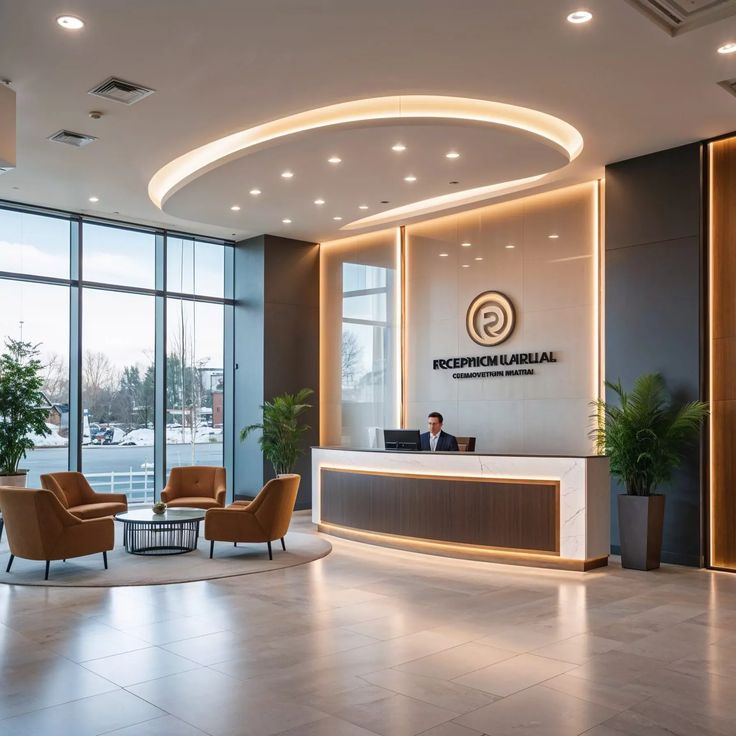
When businesses think about marketing, they usually focus on:
- advertisements
- social media
- websites
- and branding campaigns
But many overlook one powerful marketing tool they interact with every single day:
Their office space.
Office design silently communicates messages about a business before conversations even begin.
Clients, employees, partners, and visitors all form impressions based on the environment they experience.
The design of a workspace can influence whether a business feels:
- professional
- trustworthy
- premium
- modern
- organized
- or forgettable
This is why office design is no longer just about aesthetics or furniture placement.
It has become part of brand communication and customer experience.
Because in business, environments speak even when nobody is talking.
1. Office Spaces Create First Impressions Instantly
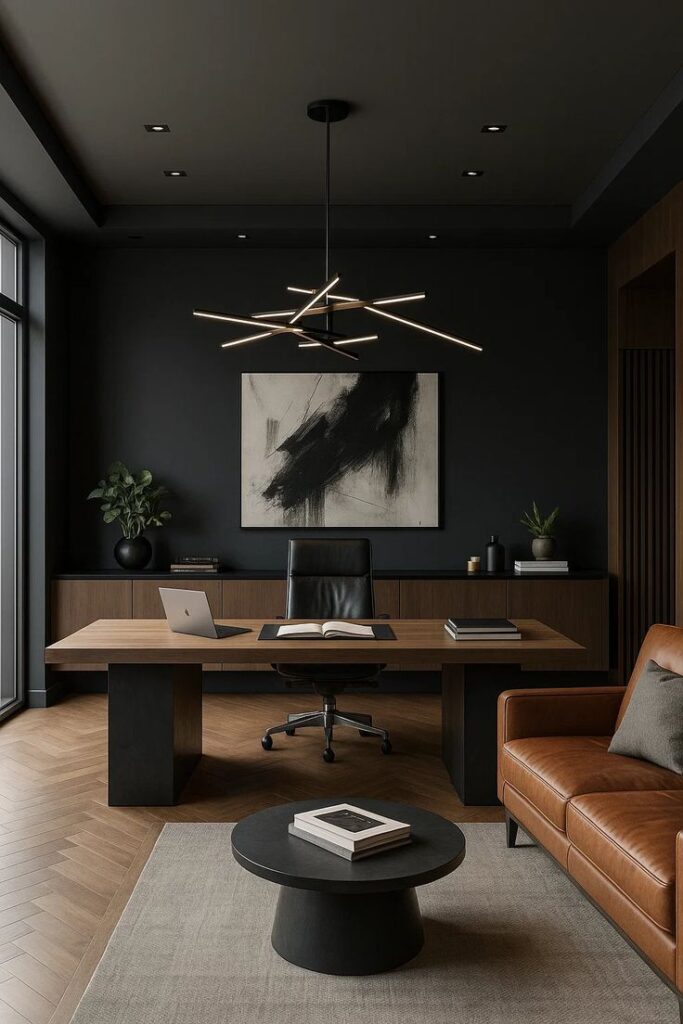
The moment someone walks into an office, perception begins.
Before any presentation or discussion happens, people are already observing:
- cleanliness
- organization
- atmosphere
- lighting
- layout
- and overall professionalism
A poorly designed workspace can unconsciously reduce confidence in the business.
Meanwhile, a clean and intentional office often creates immediate trust.
This happens because people naturally associate the environment with standards.
If the business environment feels careless, clients may question the attention given to the actual work as well.
2. Office Design Reflects Brand Identity
Every workspace communicates something about the business behind it.
For example:
- minimalist offices often feel modern and sophisticated
- creative spaces may feel innovative and energetic
- luxury-inspired environments may feel premium and exclusive
Office design becomes an extension of branding.
It visually reinforces:
- company values
- professionalism
- personality
- and positioning
When physical spaces align with digital branding and communication, the business feels more cohesive and intentional.
3. Clients Associate Environment with Quality
People judge quality emotionally before they judge it logically.
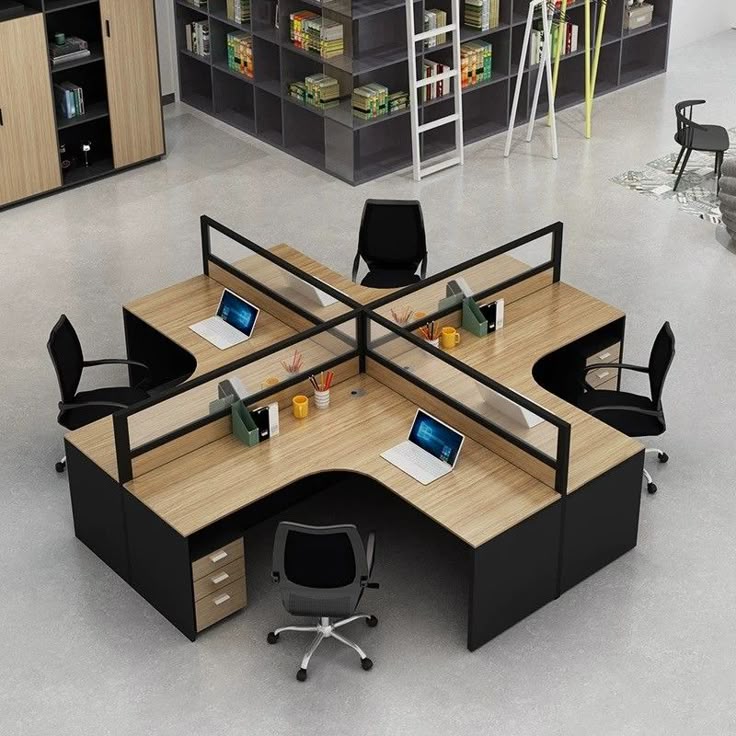
This means clients often connect the appearance of a workspace with the perceived quality of the business itself.
An office that feels:
- organized
- modern
- comfortable
- and thoughtfully designed
creates confidence.
Clients may assume:
- the business is more reliable
- more established
- and more detail-oriented
Even before experiencing the actual service.
This is why office spaces influence credibility more than many businesses realize.
4. Office Design Affects Employee Performance
Office spaces are not only for clients.
They also influence the people working inside them daily.
A workspace that feels:
- stressful
- cluttered
- uncomfortable
- or uninspiring
can negatively affect productivity and morale.
Meanwhile, intentional office design can improve:
- focus
- collaboration
- motivation
- and overall work experience
Employees often perform better in environments that feel organized, comfortable, and professionally structured.
And stronger employee experience usually leads to stronger customer experience as well.
5. Design Influences Emotional Experience
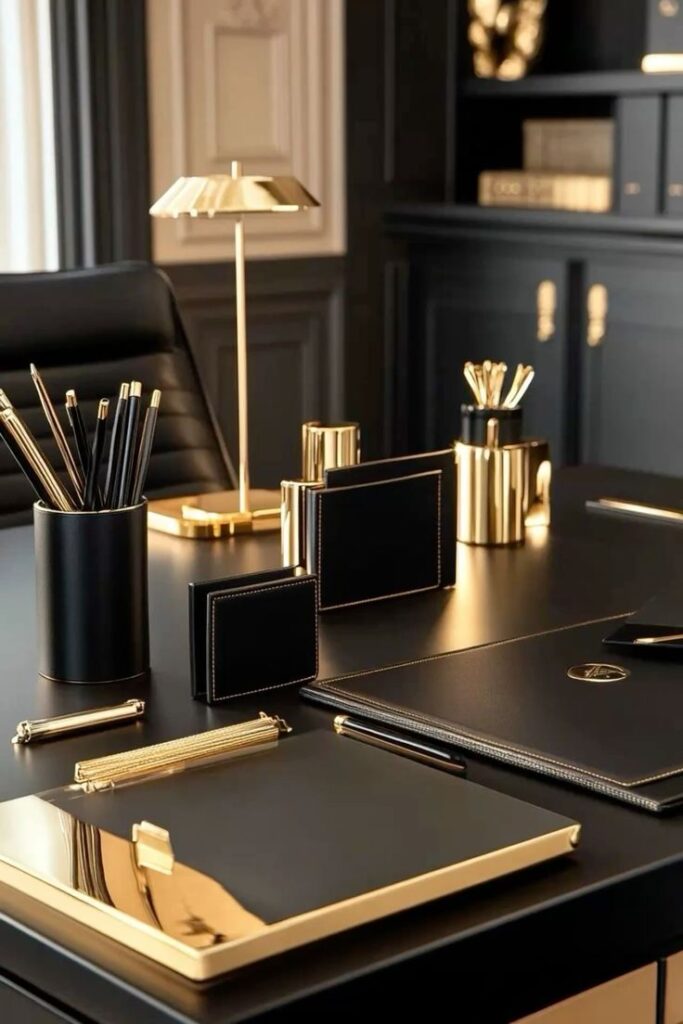
Good office design creates emotional impact.
Factors such as:
- lighting
- spacing
- colors
- textures
- furniture
- and layout
all influence how people feel within a space.
A welcoming environment can make clients feel:
- more relaxed
- more confident
- and more open to communication
This emotional comfort influences interactions and overall perception of the business.
Because people may forget exact conversations.
But they often remember how a place made them feel.
6. Modern Businesses Market Through Experience
Today’s strongest brands understand that marketing is no longer limited to advertisements.
Customer experience itself has become marketing.
Every interaction contributes to perception:
- websites
- social media
- customer service
- packaging
- and office spaces
Businesses that create strong experiences naturally become more memorable.
Office environments are now part of that experience economy.
The physical environment silently reinforces the story a brand wants people to believe about it.
7. Office Spaces Influence Business Positioning
Businesses that invest in intentional office design often appear:
- more serious
- more premium
- more stable
- and more trustworthy
This can influence:
- customer confidence
- partnerships
- employee attraction
- and even pricing perception
A polished environment can help businesses position themselves above competitors who neglect presentation.
Because perception strongly affects value.
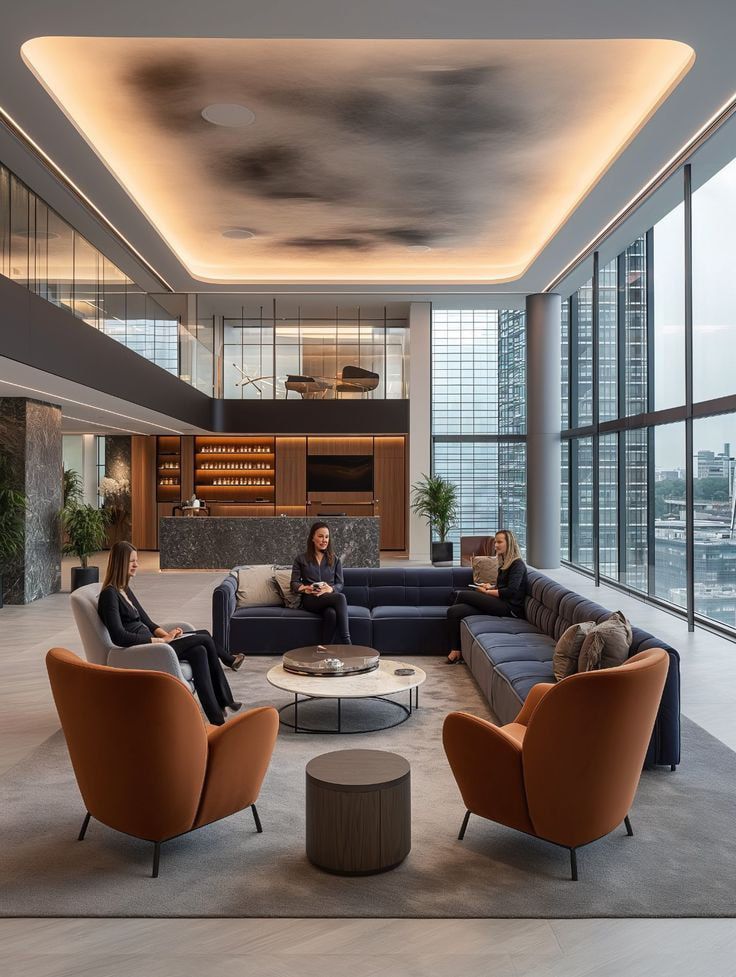
8. Small Details Make a Big Difference
Office design is not only about expensive furniture.
Often, small details shape perception the most.
Things such as:
- clean desks
- organized reception areas
- consistent branding
- proper lighting
- comfortable seating
- and thoughtful layout
all contribute to how professional the business feels.
Premium perception is usually built through intentional details rather than excessive decoration.
The Branda Perspective
Office design is far more than decoration; it is a silent communication tool that influences trust, professionalism, customer perception, employee productivity, and overall brand experience. Every physical space tells a story about the business behind it, and that story begins the moment someone walks through your door.
At Branda, we believe great workspaces should do more than simply accommodate employees. They should strengthen your brand, inspire productivity, and create lasting impressions on every client and visitor.
Branda.com.ng is beyond printing. We design office spaces that reflect your brand identity, improve workplace experience, and position your business as professional, modern, and intentional. Because the right office isn’t just where business happens it’s where your brand comes to life.
At Branda.com.ng, we help businesses create workspaces that do more than function.
We design office environments that strengthen brand identity, improve experience, and communicate professionalism through intentional design.
Because great business spaces should not only look good.
They should leave lasting impressions.
