


₦0
Before You Fall in Love With a Business Name, Put It Through These 7 Tests

A business name can sound brilliant in a meeting.
It looks good on a presentation slide. Everyone likes how it sounds. Someone imagines it on a signboard, and suddenly the decision feels settled.
Then the business owner tries to secure a domain name.
The social media handle is taken. People keep misspelling the name. Customers pronounce it differently. Or the business expands, and the name that once made perfect sense starts to feel limiting.
Choosing a name is one of those business decisions that can seem creative at first but has practical consequences for years.
A good name does not have to explain everything about your business. But it should be able to work in the real world, where people need to say it, remember it, find it and associate it with what you offer.
Before committing to a name, put it through these seven tests.
1. The Say-It-Out-Loud Test
Can someone hear the name once and reasonably repeat it?
Imagine introducing your business at a networking event. You say the name, exchange greetings and move on. Will the other person remember it well enough to search for you later?
A name that is difficult to pronounce is not automatically a bad name. Unusual names can become memorable with familiarity. But if the pronunciation is consistently unclear, you may have to spend extra effort explaining it.
Try saying the name to people who have never heard it before. Ask them to repeat it without seeing it written down.
Notice where they hesitate.
The goal is not to make every name sound ordinary. It is to understand what people may find difficult about it.
2. The Spelling and Search Test
A customer may hear your name in a conversation, on a podcast, at an event or through a recommendation.
What happens when they try to find you online?
If the spelling is not obvious, they may search for the wrong version. If the name resembles another business, your website could become harder to find.
Search the proposed name in several ways:
-
Search the exact spelling.
-
Search common misspellings or alternative spellings.
-
Check whether other businesses use a similar name.
-
Look at relevant domain names and social media handles.
An available social media username does not automatically mean a name is legally available. Likewise, a domain being available does not guarantee you can register the name as a trademark.
These checks are different, and they matter for different reasons.
3. The Meaning Test
What does the name mean to you, and what might it mean to somebody else?
Some names are descriptive: they tell people what a business does. Others are invented, abstract or based on a founder’s name.
Each approach has advantages.
A descriptive name can make the offer easier to understand. An abstract name may give the business more room to develop its identity. A founder-based name can communicate a personal connection, especially in professional services.
But names can also carry unintended meanings.
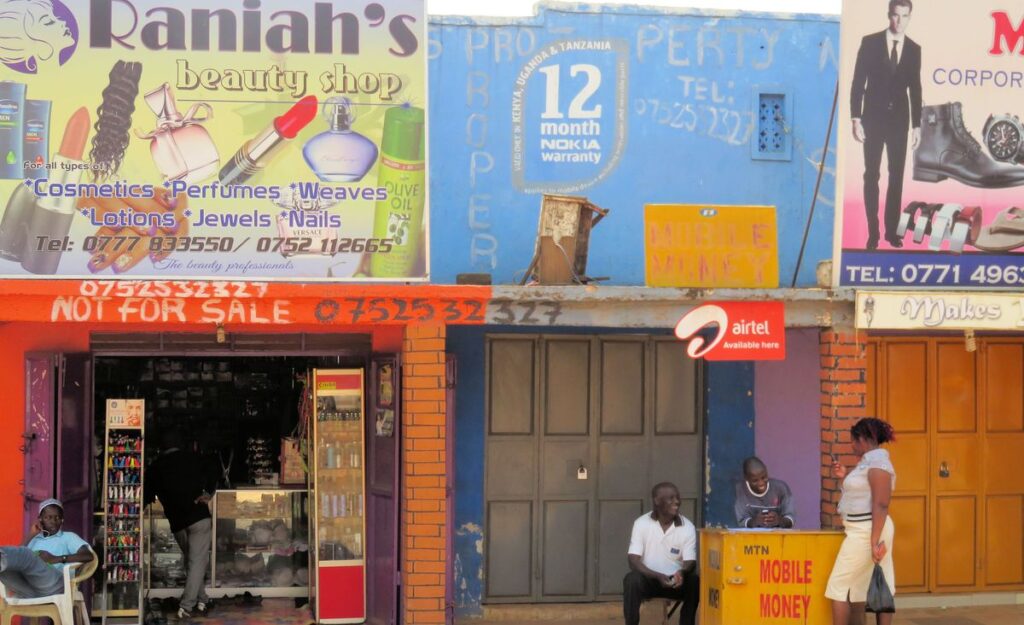
Check how the name sounds in the languages and cultural contexts relevant to your audience. Consider slang, alternative interpretations and associations with other products or organisations.
You cannot predict every possible interpretation. You can, however, investigate the obvious ones before investing in signage, packaging and marketing materials
4. The Audience Test
A name should make sense in the context of the people you want to reach.
Consider a company selling specialist services to corporate clients. Its naming needs may differ from those of a playful consumer brand aimed at young shoppers.
That does not mean every corporate business needs a serious-sounding name or every youth-focused brand needs slang.
It means the name should suit the kind of relationship the business wants to establish.
Ask a few people who resemble your intended customers what the name suggests to them. Do not simply ask whether they like it. Ask what type of business they expect it to be, what kind of product or service they imagine, and what impression the name creates.
Their answers may reveal assumptions you had not considered.
5. The Growth Test
Will the name still make sense if the business changes?
A name can be highly specific and still work beautifully. But consider whether it ties the business to a product, location or audience you may eventually move beyond.
For example, a business named around one particular product may find the name restrictive when it introduces a wider range. A location-based name may require more explanation when the company expands elsewhere.
This does not mean you should choose a vague name simply because you hope to grow.
It means you should be clear about your ambitions and decide how much flexibility you need.
A useful question is: If our business evolves over the next five years, will this name still represent us?
You do not need to predict every future development. Just avoid unnecessary limitations when you can see them coming.
6. The Visual Test
A business name will not live only in a document.
It may appear on a website, storefront, uniform, product label, business card, delivery package, presentation or social media profile.
Consider how it behaves in those settings.
Is it extremely long? Does it become difficult to read when placed on a small label? Is the spelling likely to be confused with another word? Does it leave room for a clear visual identity?
You do not need to design the entire brand before choosing the name. A simple mock-up can help you see practical issues early.
Try it in a website header, on a small label and on a signboard. The goal is not to decide the entire visual identity yet. It is to discover whether the name creates avoidable difficulties.

7. The Availability and Protection Test
This is the step that should happen before you become too attached to a name.
Check relevant business registries, trademark databases, domain availability and social media handles. If the business will operate in multiple countries, consider where you may need protection.
For a Nigerian business, verify the relevant details through the Corporate Affairs Commission and seek appropriate trademark guidance before committing to a name for commercial use.
Do not assume that because a name is not appearing in a quick Google search, nobody else has a claim to it.
Where the name is central to your business, getting professional advice early can help you avoid costly changes later.
A Name Is the Beginning, Not the Whole Brand
Even a strong name cannot do all the work of building a brand.
Customers will also encounter your identity, communication, website, products, service and the way your business operates. Over time, those experiences help give the name meaning.
Think of a name as a starting point: it gives people something to recognise, remember and talk about. The business must then give them a reason to remember it positively.
That is why choosing a name should involve more than asking, “Does this sound good?”
Ask whether it is clear enough to use, distinctive enough to recognise, suitable for your audience and practical enough to grow with your business.
A little testing now can save you from having to explain, correct or replace the name later.
Final Thought
The best business name is not necessarily the cleverest one in the room. It is the one that can do its job in the real world and support the business you are building.
At Branda, we help businesses bring the different parts of their identity to life, from creative development and digital presence to print and physical brand experiences. Thoughtful decisions at the beginning can make those later steps more effective.
Ready to Build a Brand That Works Beyond the Name?
Explore Branda’s branding solutions to help your business develop a recognisable identity and carry it consistently into the places your customers encounter it.
VISIT BRANDA – https://branda.com.ng/
Because a memorable name opens the door. The brand you build around it gives people a reason to stay.
