


₦0
Flyer, Brochure, Catalogue or Company Profile? What Does Your Business Actually Need?
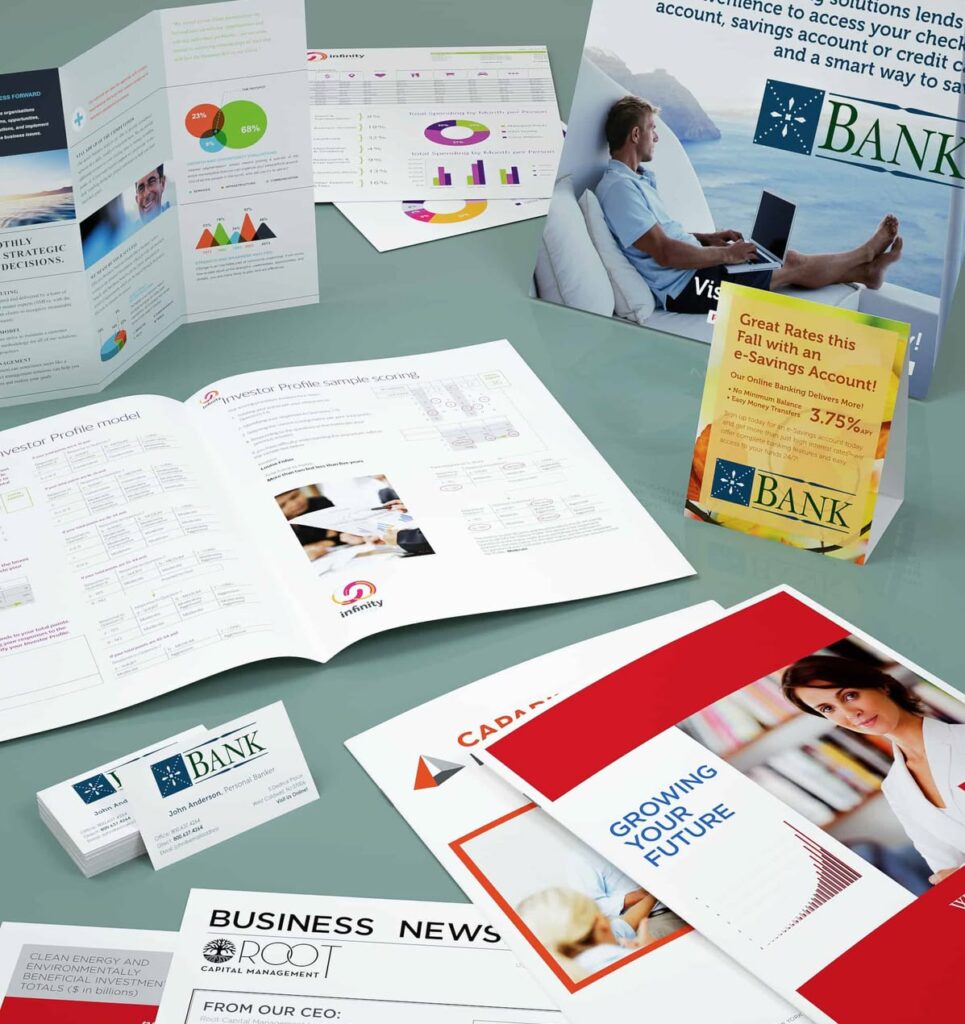
A business needs to promote a new service.
Someone suggests printing flyers. Another person recommends a brochure. The sales team wants a company profile, while the product team believes a catalogue would be more useful.
Everyone has a point.
But these materials are not interchangeable. Each one is designed to help a business communicate something different, and choosing the wrong format can leave you with a beautifully printed item that does not do the job you need.
Before requesting a print quote, start with a simpler question:
What do you need the person receiving this material to understand or do?
Here is how to decide.
1. Choose a Flyer When You Need to Communicate Quickly
A flyer is usually a compact piece of promotional material designed to deliver a focused message.
It may announce an event, promote a limited-time offer, introduce a service or direct people towards a particular action.
Because space is limited, the message needs to be selective. A flyer should not attempt to tell the entire story of your business.
It should make the main point easy to understand.
A useful flyer usually answers a few basic questions:
-
What is being promoted?
-
Why should the reader care?
-
What should they do next?
-
Where can they get more information?
A restaurant promoting a new lunch offer, for example, may need a flyer that communicates the offer, relevant details and how to order.
A company trying to explain ten different services in detail may need a different format.
Best for: promotions, announcements, events, offers and other messages that need to be understood quickly.
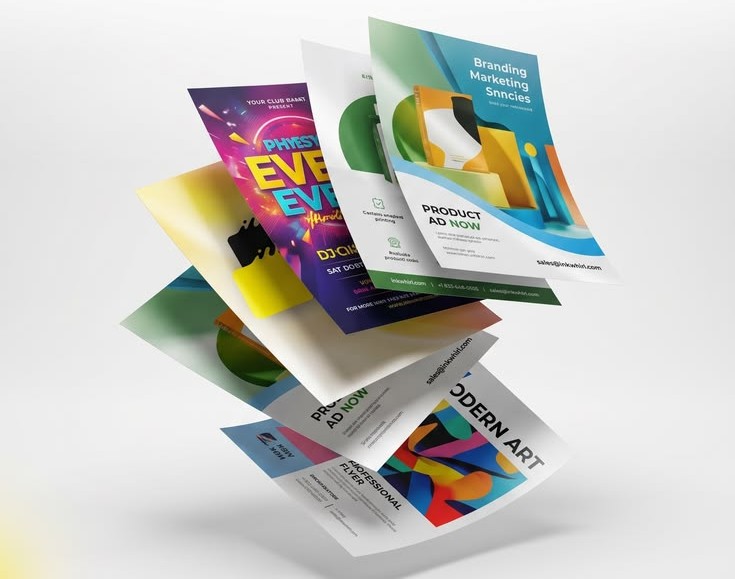
2. Choose a Brochure When You Need to Explain
A brochure gives you more room to introduce a business, explain an offer or guide a reader through information.
It is useful when the audience needs more than a quick announcement but does not necessarily need an exhaustive list of products.
For example, a company introducing a new service may need to explain the problem it solves, how the service works, what makes the offering different and how to make an enquiry.
A brochure can organise that information into sections, using headings, photographs and concise descriptions to make it easier to follow.
The key is structure.
Adding more pages does not automatically make a brochure better. If the reader cannot tell what matters, the extra space has simply created more material to work through.
Best for: explaining services, introducing an offer, supporting sales conversations and providing an overview that readers can keep.
3. Choose a Catalogue When People Need to Compare Products
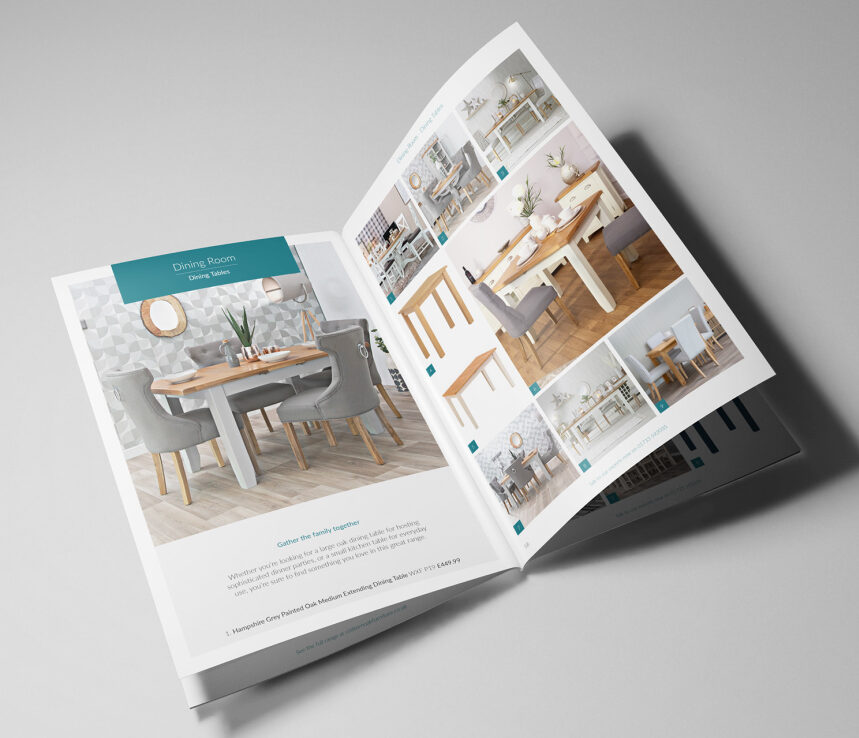
A catalogue is designed to help people explore a range of products or offerings.
Depending on the business, it may include product photographs, names, descriptions, specifications, sizes, variations, prices or reference numbers.
A fashion supplier, furniture business, equipment distributor or corporate merchandise provider may need customers to compare several options before making a decision.
In that situation, a catalogue needs more than attractive photography. Its organisation matters.
Products should be grouped logically. Descriptions should be clear. Important differences between options should be easy to identify. If customers need to request a quote, the next step should be obvious.
A catalogue can be printed, digital or both. The appropriate format depends on how customers browse, how often the products change and whether the material needs to work offline.
For frequently changing prices or product ranges, a digital version may be easier to update. A printed catalogue can still be useful when customers prefer a physical reference or when sales teams need material to use during meetings.
Best for: product ranges, product comparisons, wholesale offers and businesses whose customers need to review multiple options before buying.
4. Choose a Company Profile When People Need to Understand the Business
A company profile answers a different question from a product catalogue.
Rather than concentrating mainly on individual products, it introduces the organisation: what it does, who it serves, what capabilities it has and why someone might consider working with it.
A profile may be useful when approaching potential corporate clients, responding to business enquiries, introducing the company to partners or supporting a proposal.
But it should not become a long company history filled with information that does not help the reader evaluate the business.
The reader needs to understand the company’s relevant capabilities and credibility.
That may include its services, experience, sectors served, notable projects, operating capacity, certifications or other evidence that is appropriate to the intended audience.
The contents should depend on the purpose of the document. A profile prepared for a potential corporate buyer may need different information from one used to introduce a creative studio to prospective collaborators.
Best for: corporate introductions, business development, partnerships, proposals and situations where people need to assess the organisation as a whole.
5. What If Your Business Needs More Than One?
Sometimes the right answer is not to choose just one.
A company exhibiting at an industry event might use a flyer to promote a particular offer, a brochure to explain a service and a company profile for prospects who want to know more about the organisation.
A business selling a wide range of products might use a company profile to introduce its capabilities and a catalogue to help buyers compare its products.
The materials can work together, provided each has a clear purpose.
The mistake is creating several documents that all contain the same general introduction, the same service list and the same contact details without giving the reader a reason to use one instead of another.
Think about the journey.
What does the person need to know first? What information might they need next? Which material will help them take the next step?
That is a more useful starting point than deciding how many pages to print.
6. Before You Print, Answer These Four Questions
Whatever format you choose, answer four questions before sending the material for production.
Who will receive it?
A document for a walk-in customer may need a different tone and level of detail from one intended for a procurement manager.
Where will it be used?
Will people pick it up at an event, receive it during a meeting, take it home, browse it in a showroom or download it from your website?
What should it help them do?
Understand an offer, compare products, assess your company, contact your sales team or take another specific action?
How often will the information change?
If prices, products, contact details or service offerings change frequently, consider how easily the material can be updated. Printing a large quantity of information that will soon become outdated can create unnecessary cost and waste.
These questions also affect design, paper selection, finishing, quantity and production planning. It is easier to make those decisions when the purpose of the material is clear.
Good Print Starts Before the Printing
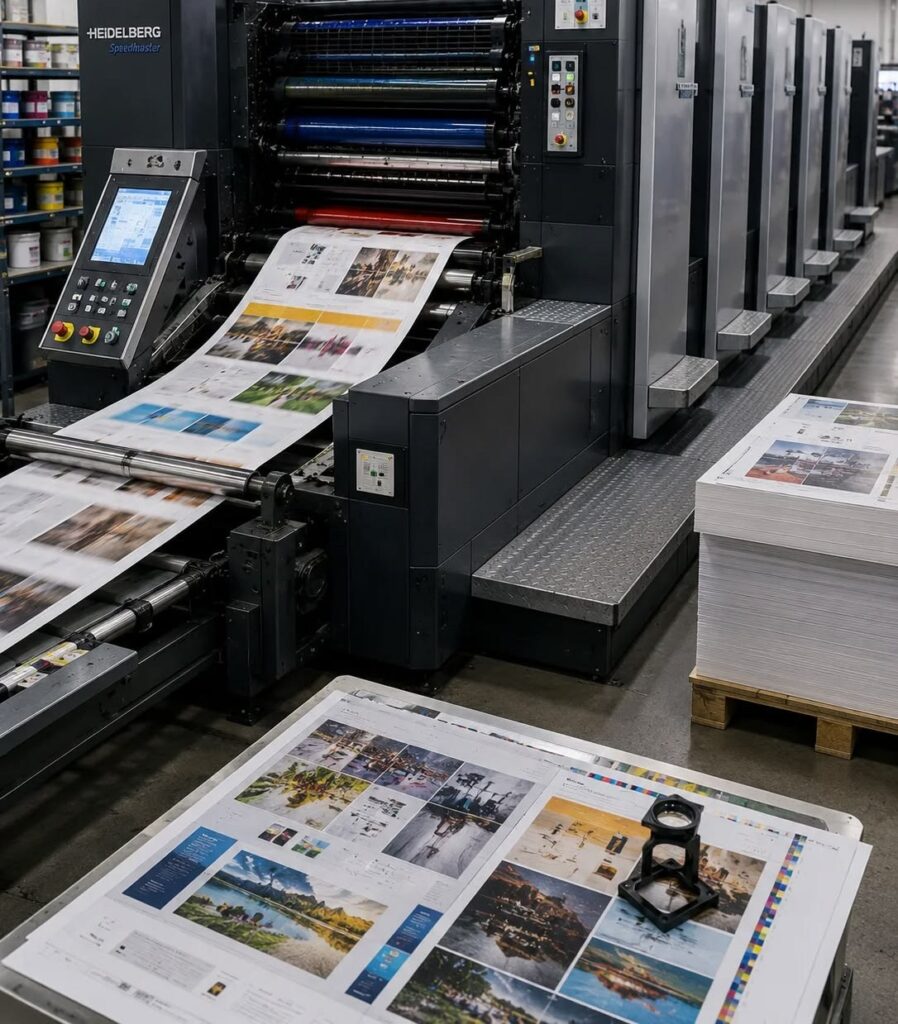
The quality of a printed item is not determined by paper or finishing alone.
A beautifully produced flyer can still be ineffective if the message is unclear. A polished company profile can still fail to communicate the company’s capabilities. A catalogue can look impressive but frustrate buyers if the information is difficult to compare.
The format, content, design and production all need to serve the same purpose.
That is why it is worth deciding what the material must accomplish before deciding what it should look like.
At Branda, print is one part of a wider set of branding solutions. From printed promotional materials to other physical brand assets, the goal is to help businesses choose and produce materials that make sense for their needs.
Ready to Choose the Right Print for Your Business?
Explore Branda to discover branding and print solutions that can help your business communicate clearly, present its offerings professionally and make better use of every printed piece.
VISIT BRANDA – https://branda.com.ng/
Because good print is not just something people can hold. It is something that helps them understand what your business has to offer.
On A Final Note
Ready to shop?
Order all branding services from this article and more on Branda, delivered to you.
Shop on Branda →Ready for bulk or special orders?
Find everything from our articles and make unique purchases in bulk and more.
Contact us →