


₦0
The Customer Has Paid. Now What? Why the Experience After a Sale Matters.
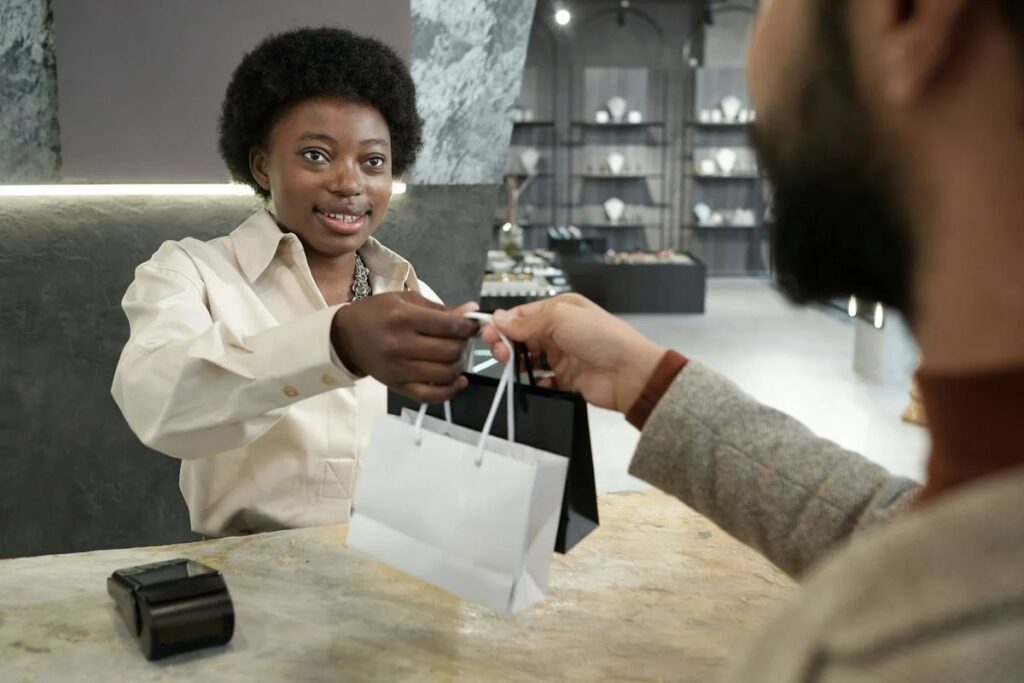
A customer has found your business, considered your offer, asked questions, compared alternatives and finally made a purchase.
The payment comes in. The order is confirmed. Everyone celebrates another successful sale.
But what happens next?
Does the customer know when to expect delivery? Do they understand how to use what they purchased? Is someone available if they encounter a problem? Does the business make any effort to find out whether the experience met their expectations?
For many businesses, the attention given to winning a customer is significantly greater than the attention given to keeping one.
And that can be an expensive mistake.
Because a successful sale is not necessarily the end of a customer’s relationship with your business. It is the beginning of another opportunity to prove that choosing you was the right decision.
1. Getting the Sale Is Only Half the Work
Businesses invest considerable effort in attracting customers.
They create advertisements, publish social media content, improve their websites, offer promotions and develop sales strategies.
All these activities have one major objective: getting someone to buy.
But once payment is received, the customer still has expectations.
Someone who orders a product wants to know when it will arrive. A client who pays for a service wants to understand what happens next. Someone who purchases a new software solution may need guidance before they can use it effectively.
The transaction may be complete from the business’s perspective, but the customer is still evaluating the decision.
Did I choose the right company?
Will I receive what I paid for?
Will the business be available if I need help?
These questions are part of the experience too.
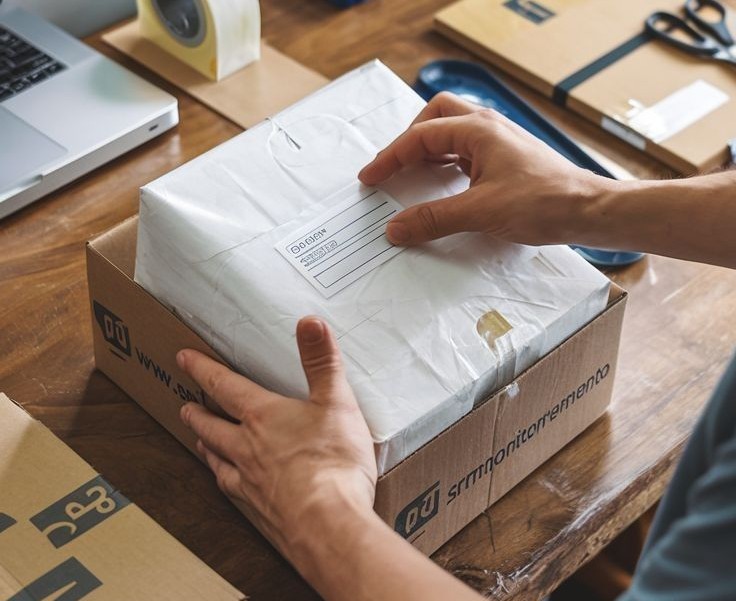
2. The Waiting Period Is Part of the Customer Experience
Consider ordering a product online.
You receive a payment confirmation, but nothing else happens.
You don’t know whether the order has been processed, when it will be dispatched or when it should arrive. You eventually have to contact the business yourself to ask for an update.
Even if the product arrives in perfect condition, the experience may have already become frustrating.
Now imagine a different business.
It confirms your order, provides an estimated delivery timeline, sends updates when the order is dispatched and makes it easy to contact someone if you need assistance.
Both businesses may deliver the same product.
But the second business has made the waiting period feel more organised and reassuring.
This is an important lesson for businesses: customer experience does not begin and end with the product. The communication surrounding the purchase also matters.
A few thoughtful updates can prevent unnecessary uncertainty and reduce the number of questions customers have to ask.

3. Don’t Make Customers Figure Everything Out Themselves
Some products and services require more than a successful handover.
A customer buying a piece of equipment may need instructions. Someone purchasing a complex service may need an onboarding process. A company receiving branded merchandise may need guidance on maintenance, storage or distribution.
When businesses overlook these details, they transfer the responsibility to the customer.
The customer has to search for instructions, ask repeated questions or work out how to get the best from what they purchased.
A better approach is to anticipate what customers might need after buying.
Depending on the offering, this could include:
-
Clear usage instructions or product information.
-
A welcome or onboarding message.
-
Contact details for support.
-
Care and maintenance recommendations.
-
A clear explanation of the next steps.
-
A follow-up to address any outstanding questions.
These may seem like small additions, but they help customers get more from their purchase.
And when people can use what they have bought without unnecessary difficulty, the experience becomes more rewarding.
4. What Happens When Something Goes Wrong?
Every business would prefer every transaction to go perfectly.
But deliveries get delayed. Products sometimes arrive damaged. Specifications may need clarification. Customers can misunderstand an offer or discover that something does not meet their expectations.
The problem is not simply that these things happen.
It is how the business responds.
Imagine receiving an order that does not match what you requested.
You contact the company, explain the issue and receive no response for days.
Even if the business eventually resolves the problem, the silence may have already damaged your confidence in it.
Compare that with a business that acknowledges the complaint, explains what happened, provides a realistic solution and keeps you informed until the issue is resolved.
The second business has an opportunity to demonstrate accountability.
A good recovery process does not mean every customer will be satisfied with every outcome. It means the business takes responsibility for handling problems professionally.
Sometimes, the way a company responds when things go wrong tells customers more about it than when everything goes right.

5. The Follow-Up Is More Than a Courtesy
When was the last time a business contacted you after a purchase for a reason other than trying to sell you something else?
A genuine follow-up can make a difference.
For a product-based business, it might mean asking whether the order arrived safely and whether the customer is satisfied.
For a service provider, it could involve checking whether the completed work is delivering the expected results.
For a company handling a larger project, it may mean arranging a post-delivery review or discussing any adjustments required.
The purpose is not to send customers endless messages.
It is to establish whether the business has delivered what it promised and identify opportunities to improve.
It can also uncover useful information.
Customers may reveal difficulties the business did not anticipate, suggest improvements or explain what they appreciated most about the experience.
That feedback can inform better products, services and processes.
6. The Second Sale Often Starts With the First Experience
A customer who has a good experience has a reason to consider returning.
They may purchase again, recommend the business to someone else or choose it when they need a related service.
But repeat business should not be treated as automatic.
A customer might appreciate a product but never return because communication was poor. They might enjoy a service but hesitate to recommend the company because resolving a small issue was unnecessarily difficult.
The quality of the original offering matters, but so does everything that surrounds it.
This is why businesses should think beyond the number of transactions completed.
Other useful questions include:
-
How many first-time customers return?
-
How often do customers recommend the business?
-
What complaints appear repeatedly?
-
How quickly are customer issues resolved?
-
Do customers understand what happens after they pay?
-
Are customers satisfied with the outcome, not just the purchase process?
These questions help businesses evaluate whether they are building lasting customer relationships or simply completing individual transactions.
7. Build a Post-Sale Process, Not Just a Sales Process
A good post-sale experience does not have to be complicated or expensive.
It starts with deciding what customers should experience after making a purchase and creating a process that supports it.
For example:
Immediately after payment: Confirm the transaction and explain what happens next.
During fulfilment or delivery: Provide realistic timelines and relevant updates.
At handover: Make sure the customer receives what they ordered, alongside any necessary instructions or supporting information.
After delivery or completion: Check whether the customer is satisfied and address any outstanding concerns.
Over time: Maintain appropriate communication and give customers a reason to consider returning.
The process will differ depending on the business. A fashion retailer, a branding agency, a manufacturer and a professional-services company will not have identical post-sale requirements.
What matters is that the experience is intentional rather than left to chance.
Your Brand Doesn’t Stop at the Point of Payment
A business can invest in an impressive website, beautiful packaging, persuasive advertising and a professional sales team.
But if the customer experience becomes confusing or disappointing immediately after payment, those earlier efforts can lose their impact.
Your brand is also reflected in the confirmation message, the delivery process, the quality of the handover, the way complaints are handled and the attention given to customers after a transaction.
These moments may not always be visible to potential customers, but they can influence whether existing customers return, recommend the business or choose another provider next time.
At Branda, we believe strong brands are built through more than individual marketing materials. From digital solutions and print to packaging, corporate gifting and other connected brand services, the details businesses put into their presentation and delivery all contribute to the experience people remember.
Ready to Make Every Customer Interaction Count?
Whether you are improving your business presentation, developing customer-facing materials, creating packaging or strengthening your digital presence, Branda helps bring the different parts of your brand together.
Explore how Branda can help your business create a more considered and consistent brand experience.
Because the sale may end at payment, but the relationship shouldn’t.
On A Final Note
Ready to shop?
Order all branding services from this article and more on Branda, delivered to you.
Shop on Branda →Ready for bulk or special orders?
Find everything from our articles and make unique purchases in bulk and more.
Contact us →