


₦0
The Customer Journey Starts Before They Contact You

Many business owners believe the customer journey begins when someone sends a message, makes a phone call, or walks into their office.
In reality, it starts much earlier.
Long before a potential customer reaches out, they have already started forming opinions about your business. They may have visited your website, browsed your social media pages, searched for reviews, or heard about your company through a recommendation.
Every interaction whether online or offline shapes how they perceive your brand.
Today’s customers don’t simply buy products or services. They buy confidence. They buy trust. They buy the experience they expect to receive.
This is why understanding the customer journey is essential for every business that wants to grow.

What Is the Customer Journey?
The customer journey is every interaction a person has with your business before, during, and after making a purchase.
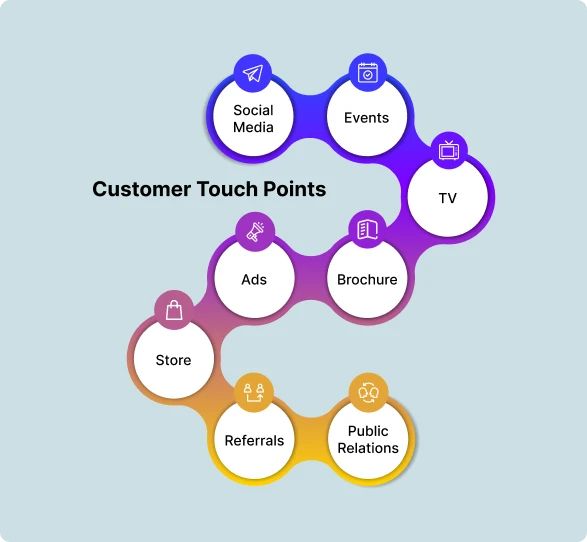
It includes every touchpoint, such as:
- Discovering your business online
- Visiting your website
- Seeing your social media content
- Reading customer reviews
- Speaking with customer support
- Visiting your office or showroom
- Receiving your product or service
- Returning for another purchase
Each of these moments contributes to the customer’s overall impression of your brand.
First Impressions Happen Before Conversations
Research has shown that people form first impressions within seconds.
When someone visits your website or social media page, they immediately begin asking questions,even if they don’t realize it.
- Does this business look professional?
- Can I trust them?
- Do they understand what they’re doing?
- Will they deliver quality?
If your digital presence feels outdated or inconsistent, customers may leave before ever contacting you.
In many cases, businesses don’t lose customers because of poor products, they lose them because of poor first impressions.

Your Website Is Your Digital Reception Desk
Think of your website as your receptionist.
It welcomes visitors, answers questions, and guides them through their decision-making process.
A professional website should clearly communicate:
- Who you are
- What you do
- Who you serve
- Why customers should choose you
- How they can contact you
It should also be easy to navigate, mobile-friendly, and fast to load.
A website that is confusing or difficult to use creates unnecessary barriers between your business and potential customers.
Social Media Creates Expectations
Many customers will visit your social media pages before making contact.
They look beyond your products.
They observe:
- How active you are
- The quality of your content
- How you respond to comments
- The consistency of your branding
- Customer feedback
An active and professional online presence reassures potential customers that your business is credible and engaged.

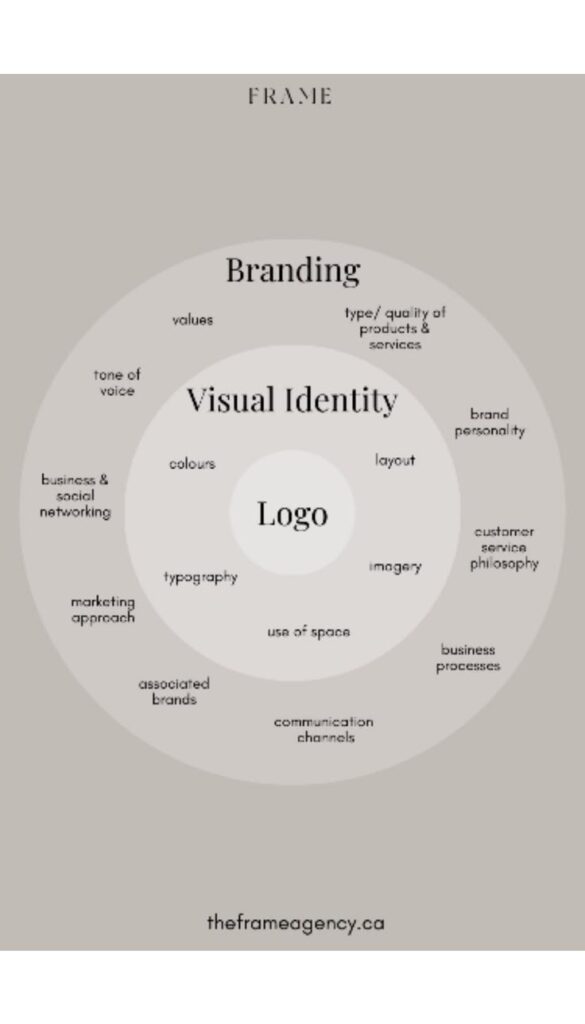
Your Brand Identity Should Be Consistent
Imagine seeing one logo on Instagram, another on your website, and completely different colors in your office.
That inconsistency creates confusion.
Strong brands maintain consistency across every customer touchpoint.
This includes:
- Logos
- Colors
- Typography
- Messaging
- Tone of voice
- Marketing materials
- Packaging
- Website design
Consistency makes businesses easier to recognize and remember.
Your Physical Space Speaks Too
For businesses that receive clients in person, the office or workspace becomes part of the customer journey.
A clean, organized, and thoughtfully designed environment communicates professionalism.
Customers often associate the quality of your workspace with the quality of your service.
Office design isn’t simply about decoration.
It reflects your brand values and attention to detail.
Customer Service Shapes the Experience
Branding doesn’t end with visuals.
Every conversation contributes to your reputation.
Prompt responses, polite communication, and helpful support show customers that they are valued.
One excellent customer experience can lead to referrals and repeat business.
Likewise, one poor interaction can undo months of marketing efforts.
The Journey Doesn’t End After the Sale
Many businesses focus only on getting customers.
Great brands focus on keeping them.
Following up after a purchase, requesting feedback, resolving issues quickly, and staying connected through valuable content all strengthen customer relationships.
Satisfied customers often become your most effective marketers through recommendations and positive reviews.

Conclusion
The customer journey begins long before a customer contacts your business.
Every interaction from your website and social media to your office and customer service helps shape how people perceive your brand.
Businesses that understand this create experiences that inspire trust, build lasting relationships, and encourage customer loyalty.
The strongest brands don’t simply wait for customers to reach out.
They intentionally shape every step of the journey.
At Branda.com.ng, we help businesses create memorable customer experiences through strategic branding, professional website development, creative design, office space solutions, and digital marketing.
Because every customer interaction matters and every great journey begins with a strong first impression.
