


₦0
What Happens to Your Brand After the Designer Says “Approved”?
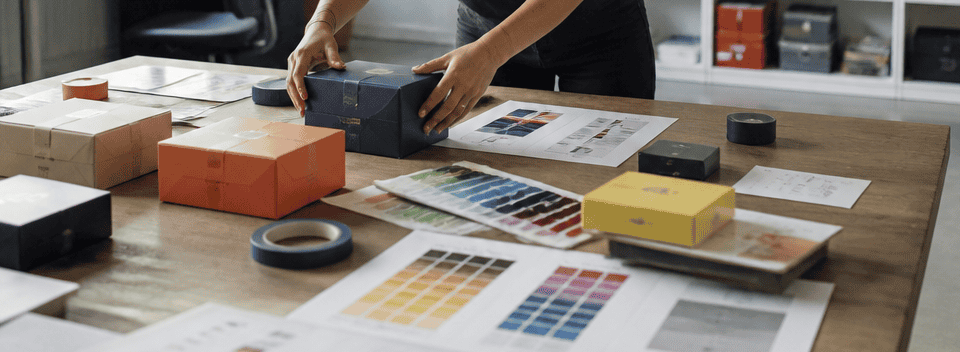
A brand can look perfect on a screen.
The colours are right.
The logo is positioned correctly.
The typography is consistent.
The mockup looks polished.
Everyone approves it.
Then production begins.
The material feels different from what was expected. The colours don’t reproduce as intended. The packaging doesn’t quite fit. The finished merchandise looks different from the approved design.
Suddenly, the brand that looked perfect on screen doesn’t look quite the same in the real world.
So what happens to your brand after the designer says “approved”?
A lot more than most businesses realise.
The Design Is Only the Beginning
Branding doesn’t end when a design file is exported.
It has to survive the journey from screen to reality.
That journey can involve:
Design → Materials → Production → Finishing → Packaging → Delivery
Every stage presents an opportunity to either protect the brand or compromise it.
A beautifully designed identity printed poorly is still a poor brand experience.
A premium packaging concept made with unsuitable materials may not feel premium when customers actually hold it.
The final product is what people experience, not the design file sitting on someone’s computer.
Materials Can Change the Experience
Two products can carry exactly the same logo and still communicate completely different things.
A logo printed on high-quality material can feel considered and premium.
The same logo on a poorly chosen surface can feel cheap.
This is why material selection shouldn’t be treated as a purely production decision.
Paper weight.
Fabric quality.
Finishing.
Texture.
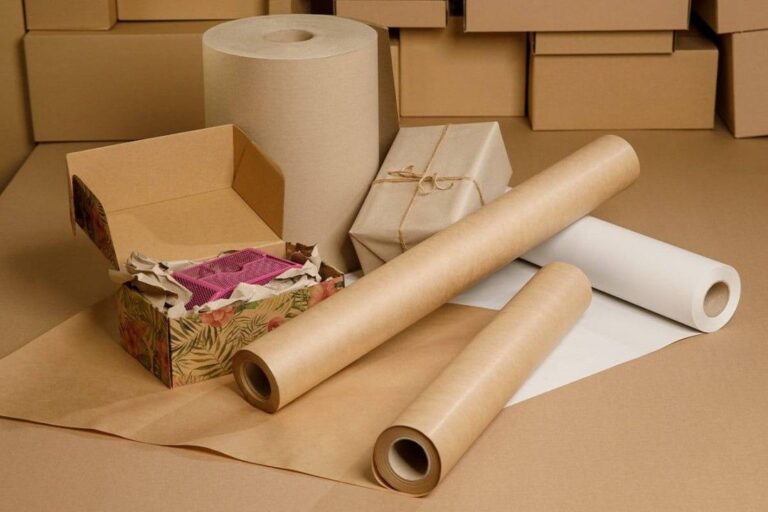
Packaging materials.
Print method.
These details influence how the final product feels in someone’s hands.
And how something feels can become part of what people think about the brand.
What Looks Good on Screen Doesn’t Always Work in Production
Digital designs have an advantage: everything is controlled by a screen.
Physical production doesn’t work that way.
Colours can reproduce differently.
Textures can change how a design appears.
Small details may become less visible.
A logo that looks perfectly balanced digitally might need adjustment depending on the product it’s being applied to.
That is why physical samples, proofs and production checks matter.
They allow businesses to answer an important question before committing to a full production run:
Does this actually look and feel the way we intended?
Production Quality Is Part of Branding
It’s tempting to separate branding from production.
Designers handle the brand.
Suppliers make the products.
Printers produce the materials.
But customers don’t experience those departments separately.
They experience one brand.
If a company presents itself as premium but its printed materials are poorly finished, customers won’t think: “The design was good; the printer made a mistake.”
They simply experience the inconsistency.
That’s why production quality is not merely an operational concern.
It is part of the brand experience.
The Small Details Become the Big Impression
A slightly misaligned logo.
A colour that doesn’t match.
A poorly finished edge.
Incorrect packaging.
Inconsistent sizing.
A print that begins fading after a few uses.
Individually, these may seem like small production issues.
Together, they can change how people perceive the business.
The strongest brands understand that consistency isn’t created by having a good logo alone.
It’s created by protecting the standard at every touchpoint.

From Approved Design to Finished Brand Experience
This is why the production process deserves as much attention as the creative process.
At Branda, the work doesn’t stop at creating the visual concept. Its broader branding model brings design and execution across areas such as printing, packaging, merchandise, corporate gifting and other physical brand materials under one roof.
The advantage is simple:
The person thinking about the brand can also think about how that brand will exist in the real world.
That connection matters.
Because the question isn’t simply:
“Does the design look good?”
It’s:
“Will the finished result feel like the brand we intended to create?”
Your Brand Has to Survive the Real World
A brand isn’t experienced in a design application.
It’s experienced on a package sitting on someone’s doorstep.
On a business card handed across a table.
On merchandise worn by an employee.
On signage outside an office.
Inside a corporate gift.
In the printed material a customer holds.
That is where the brand becomes tangible.
And that is why approval shouldn’t be the end of the branding process.
It should be the point where the real work begins.
Final Thought
A perfect design can create the expectation.
But execution delivers the experience.
So the next time a branding project reaches the “approved” stage, don’t stop at the screen.
Ask:
What will this look like?
What will this feel like?
What will the customer actually receive?
Because your customers never experience your brand as a design file.
They experience the finished product.
Building Brands Beyond the Screen
From custom printing and packaging to merchandise and corporate gifting, Branda helps businesses take their brand from concept to physical execution.
Because a brand isn’t finished when it looks good on screen. It’s finished when it works in the real world.
