


₦0
Why Consistent Branding Matters: How to Build a Business People Recognize and Trust

Imagine seeing a business with a professional logo on Instagram, completely different colours on its website, inconsistent packaging, and poorly designed promotional materials. Even if the business offers excellent products or services, these differences can make it appear less professional.
Now imagine encountering that same business with consistent colours, messaging, packaging, printed materials, and digital designs. The experience feels more organised, recognisable, and trustworthy.
That is the power of brand consistency.
Branding goes beyond creating an attractive logo. It involves building a recognisable identity that communicates what your business represents at every customer touchpoint. Whether customers interact with your business online, receive a package, visit your office, or attend an event, each interaction contributes to their perception of your brand.
For businesses looking to stand out in competitive markets, consistency can make a meaningful difference.
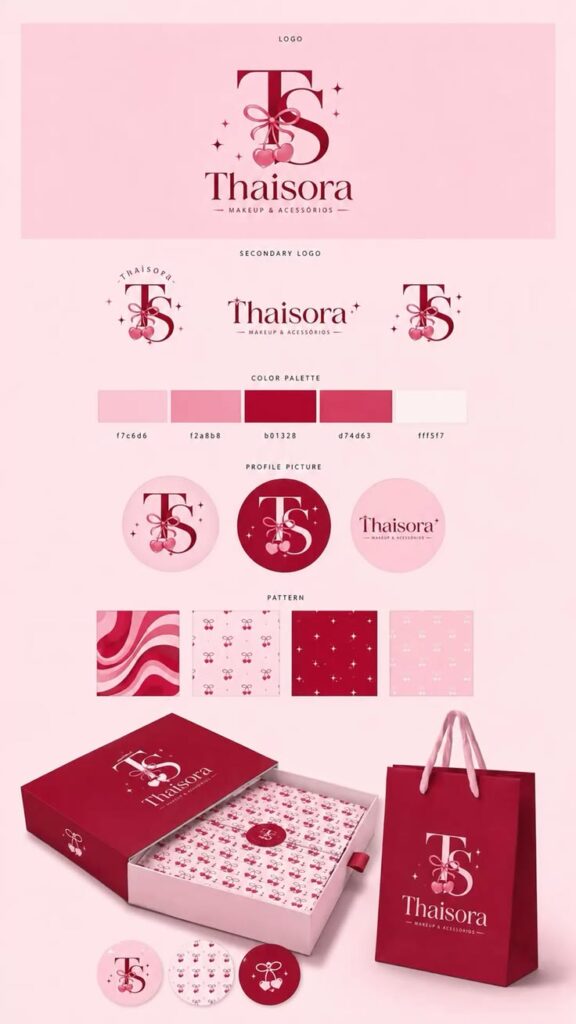
What Is Brand Consistency?
Brand consistency means presenting your business in a recognisable and cohesive way across all platforms, materials, and customer interactions.
This includes maintaining consistency in your:
- Logo and brand colours
- Typography and graphic elements
- Brand voice and messaging
- Packaging and printed materials
- Website and social media designs
- Office environment and signage
- Corporate gifts and promotional products
Consistency does not mean every design must look identical. Instead, each element should reflect the same brand identity, even when adapted for different purposes.
For example, a company’s social media graphics may look different from its product packaging, but both should share recognizable visual elements and communicate the same brand personality.
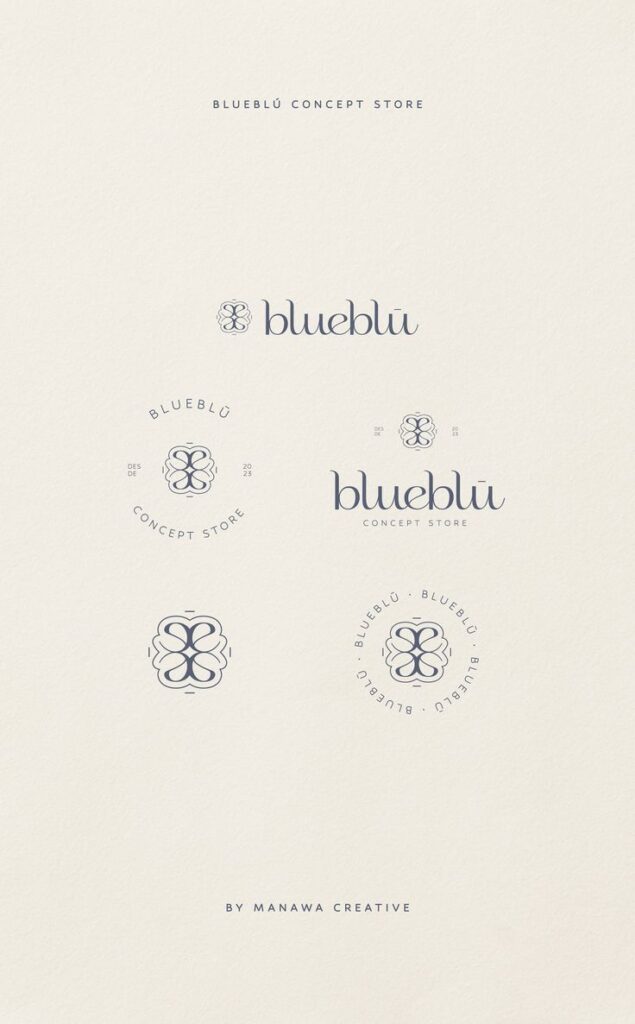
Why Is Brand Consistency Important?
1. It Builds Customer Trust
Customers are more likely to take a business seriously when its communication and presentation feel organised and reliable.
Consistent branding helps create a sense of familiarity. When customers repeatedly encounter the same visual identity and messaging, they can begin to recognise what your business stands for.
Inconsistent branding, on the other hand, can create confusion. Customers may struggle to determine whether different materials belong to the same company or whether the business pays attention to detail.
Although consistency alone cannot guarantee trust, it helps create a more professional and dependable impression.
2. It Makes Your Business Easier to Recognise
Brand recognition is the ability of customers to identify your business through its visual identity, messaging, or other distinctive features.
Think about how a familiar colour combination, logo, or packaging style can remind you of a particular company before you even read its name.
Consistent use of brand elements helps customers become familiar with your business over time.
For small businesses, this is especially valuable. You may not have the advertising budget of a large corporation, but maintaining a recognisable identity across your materials can help you establish a stronger presence.
3. It Creates a Professional Image
Your branding often shapes a customer’s first impression before they experience your product or service.
A well-designed presentation can communicate organisation, attention to detail, and professionalism. This matters whether you are approaching potential clients, pitching to corporate partners, or welcoming customers into your workspace.
Consider a company preparing for a business exhibition. If its banners, brochures, staff materials, promotional products, and display area share a consistent identity, the entire presentation feels more coordinated.
The individual materials may serve different purposes, but together they communicate a unified message.
4. It Strengthens Your Marketing Efforts
Marketing becomes more effective when your audience can easily connect different campaigns and materials to your business.
For instance, a customer might first discover your brand through a social media post, later receive a promotional email, and eventually encounter your products in a physical store.
When these interactions share recognisable brand elements, they reinforce one another.
Without consistency, each campaign may feel disconnected, making it harder for customers to build a clear picture of your business.
A consistent identity also gives your team a foundation for creating new marketing materials without having to reinvent the brand’s appearance every time.
5. It Improves the Customer Experience
Customers interact with brands through more than advertisements and websites. They also experience packaging, receipts, signage, printed documents, promotional items, and customer service.
When these touchpoints feel connected, the customer journey becomes more cohesive.
For example, a customer who orders a product online might receive it in branded packaging with a personalised thank-you card. If the packaging, message, and digital experience all reflect the same brand personality, the purchase feels more considered.
These details may seem small individually, but together they can influence how customers remember their experience.
6. It Helps Your Business Stand Out From Competitors
In crowded markets, businesses often offer similar products or services. A clear and consistent brand identity can help customers distinguish one business from another.
This does not mean simply using attractive colours or following current design trends. Effective differentiation begins with understanding your audience, your values, your positioning, and what makes your business distinct.
Once those elements are clear, consistent branding helps communicate them across your customer touchpoints.
The goal is not just to look different. It is to become recognisable for the right reasons.
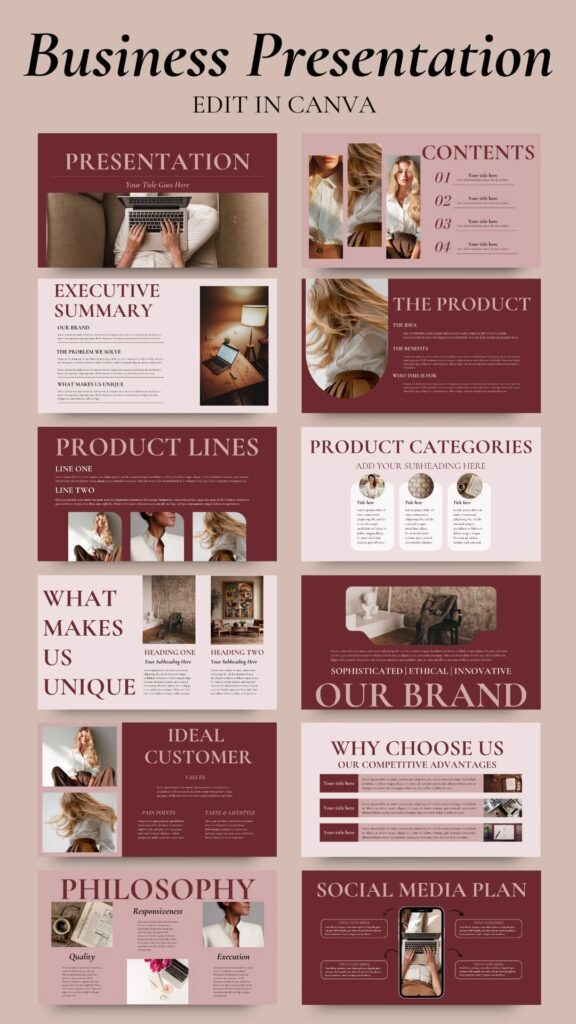
Where Should Your Brand Identity Remain Consistent?
Brand consistency should extend beyond your logo and social media pages. Here are some important areas to consider.
Digital Platforms
Your website, social media profiles, digital advertisements, email signatures, and other online materials should reflect a coherent visual identity.
Use approved brand colours, typography, logo variations, and messaging guidelines. Adapt each design to suit its platform while preserving the elements that make your business recognisable.
Printed Materials
Business cards, brochures, company profiles, flyers, presentation folders, and other printed materials should follow the same brand standards.
Consistent printing and finishing choices can also contribute to a more professional presentation, particularly when materials are used together at meetings, exhibitions, or corporate events.
Packaging and Promotional Products
Packaging is an important extension of your brand identity. Product boxes, bags, labels, inserts, and thank-you cards can help create a more cohesive customer experience.
The same principle applies to branded merchandise and corporate gifts. Items such as notebooks, drinkware, apparel, and other promotional products can reinforce brand recognition when designed appropriately.
Office Spaces and Signage
Your physical environment can communicate your brand values before a customer speaks to a member of your team.
Office signage, reception areas, branded walls, meeting rooms, and other visual elements should complement your wider brand identity.
A technology company may want to communicate innovation and efficiency, while a creative agency may prefer an environment that expresses originality and imagination. The design should reflect the company’s positioning rather than simply follow a trend.
Corporate Events and Exhibitions
Events often bring several branding elements together in one place, including banners, backdrops, printed materials, staff apparel, promotional items, and display stands.
Keeping these elements coordinated helps your business present a more unified image to attendees, prospective customers, and partners.
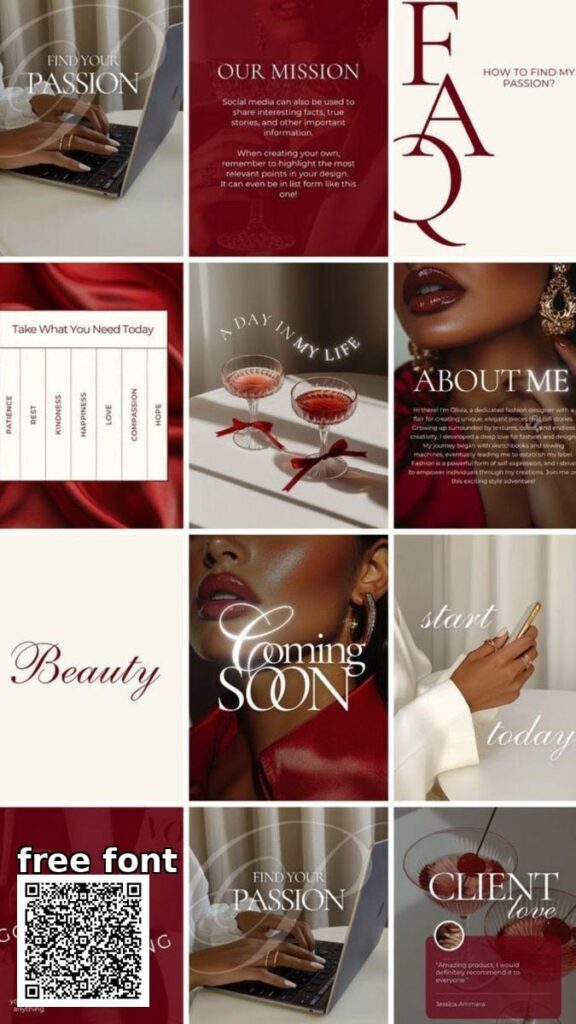
Common Brand Consistency Mistakes Businesses Should Avoid
Even businesses with strong visual identities can struggle to maintain consistency as they grow.
Here are some mistakes to watch out for.
- Changing colours and fonts too frequently
Experimenting with new styles can be useful during a rebrand, but frequent unplanned changes can weaken recognition. Establish approved colours and typography to guide future designs.
- Using different versions of your logo without clear guidelines
Your logo may have different approved versions for light backgrounds, dark backgrounds, or specific formats. However, stretching it, changing its colours randomly, or using poor-quality versions can make your materials look inconsistent.
- Treating every platform as a separate brand
Your website, packaging, office, and social media may require different design approaches, but they should still communicate the same identity.
- Prioritising appearance over brand strategy
A design can look attractive without communicating what makes your business unique. Before creating new materials, establish your brand’s purpose, audience, personality, and positioning.
- Ignoring physical branding
Some businesses invest heavily in digital marketing but overlook packaging, signage, printed materials, and customer-facing physical spaces. These touchpoints also contribute to brand perception.
- Failing to document brand guidelines
Without clear guidelines, different team members and suppliers may interpret your brand differently. A simple brand guide can help everyone work from the same standards.
How to Build a More Consistent Brand Identity
Maintaining brand consistency does not have to be complicated. Start with a clear process.
Step 1: Define Your Brand Identity
Clarify your business values, target audience, personality, positioning, and key messages.
These elements should guide your visual identity and the way your business communicates.
Step 2: Establish Your Visual Guidelines
Document your approved logo versions, colour palette, typography, imagery style, and other essential design elements.
Make the guidelines practical enough for your team and external partners to use.
Step 3: Review Your Existing Materials
Examine your website, social media pages, packaging, printed materials, signage, and promotional products.
Identify inconsistencies and prioritise the areas that have the greatest impact on customer perception.
Step 4: Apply Your Identity Across Customer Touchpoints
Update your materials in a coordinated way. You do not necessarily need to replace everything at once; you can prioritise based on budget, urgency, and customer impact.
Step 5: Work With the Right Creative and Production Partners
Maintaining consistency can become challenging when you use different suppliers for design, printing, packaging, signage, and promotional products.
Working with partners who understand your brand guidelines can help reduce mismatches and make coordination easier.
Step 6: Review and Improve Regularly
Your business may introduce new products, enter new markets, or reach different audiences over time.
Review your brand materials periodically to ensure they remain relevant and consistent. Changes should be intentional and guided by your business strategy.

How Branda Can Help You Maintain a Consistent Brand Identity
Building a consistent brand requires more than a strong logo. It involves coordinating the different ways customers encounter your business.
Branda brings together five connected ecosystems: Gifts, Studio, Create, Prints, and Digital by Branda. Depending on your project requirements, these areas can support different parts of your brand presentation, from creative development and digital materials to printed assets, branded products, and physical brand applications.
For example, a business preparing for a product launch may need coordinated digital campaign materials, branded packaging, printed promotional items, and corporate gifts. Planning these elements around one identity can help the launch feel more cohesive.
Similarly, a company refreshing its office environment may want its signage and workspace branding to complement its existing logo, colours, and communication style.
The objective is to make every relevant touchpoint feel like part of the same business, rather than a collection of unrelated designs.
If you want to improve how your brand looks, feels, and communicates across different platforms, Branda can help you explore solutions suited to your business needs.
Final Thoughts
Brand consistency is not about making every design identical. It is about creating a recognisable identity that remains clear across different platforms, materials, and customer interactions.
From digital campaigns and printed materials to packaging, corporate gifts, and physical spaces, each touchpoint offers an opportunity to reinforce what your business represents.
Start by defining your identity, documenting your guidelines, and reviewing the materials your customers encounter most often. With a clear strategy and coordinated execution, you can build a brand that looks more professional, communicates more effectively, and becomes easier for customers to recognise.
Ready to create a more consistent brand experience? Request a Custom Quote from Branda to discuss your branding needs.
On A Final Note
Ready to shop?
Order all branding services from this article and more on Branda, delivered to you.
Shop on Branda →Ready for bulk or special orders?
Find everything from our articles and make unique purchases in bulk and more.
Contact us →