


₦0
The Difference Between a Business and a Brand

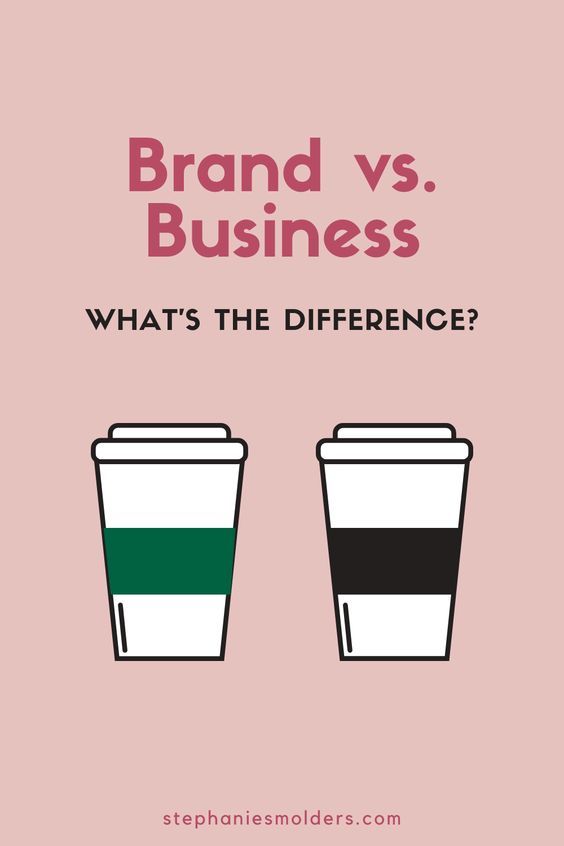
Many people use the words business and brand interchangeably.
But they are not the same thing.
A business is what you sell.
A brand is how people feel about what you sell.
A business can exist without a strong identity.
But a brand creates recognition, trust, loyalty, and emotional connection.
This is why some companies compete mainly on price…
While others build communities, influence perception, and attract loyal customers.
Because people may buy from a business once.
But they return to brands they remember.
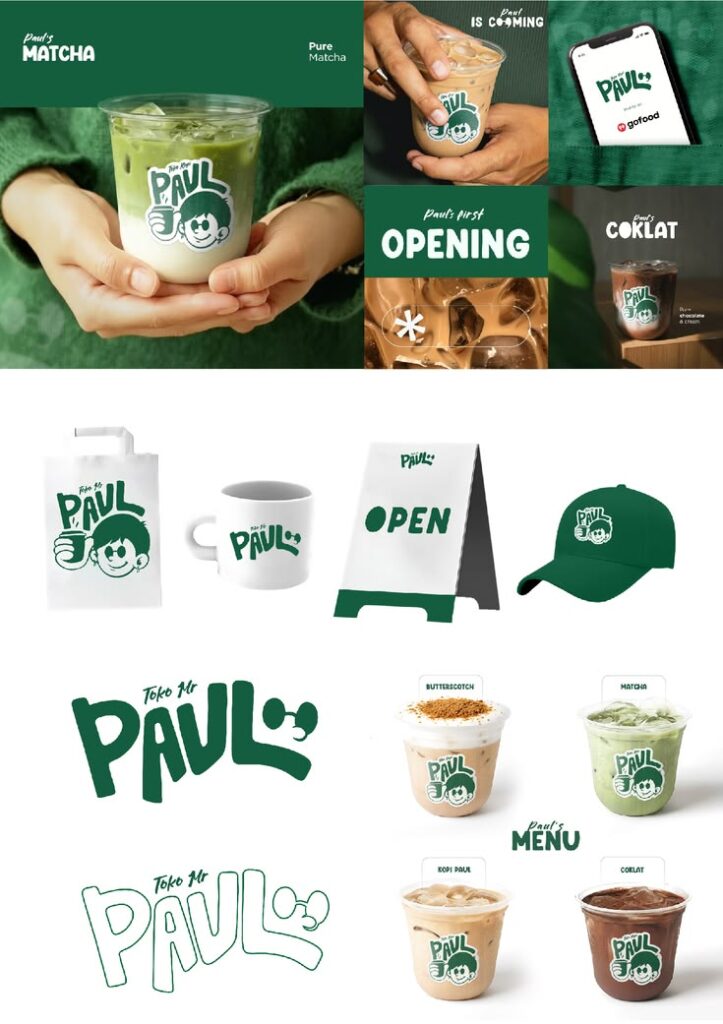
1. A Business Sells Products. A Brand Sells Meaning
A business focuses on transactions.
It offers products or services in exchange for money.
A brand goes deeper.
It creates:
- perception
- emotion
- identity
- and experience
For example, two businesses may sell the exact same product.
But the brand that feels:
- more trustworthy
- more intentional
- more relatable
usually stands out more.
People often remember how a brand made them feel long after they forget the product itself.

2. A Business Can Be Functional. A Brand Must Be Memorable
Many businesses focus only on being available.
But brands focus on being recognizable.
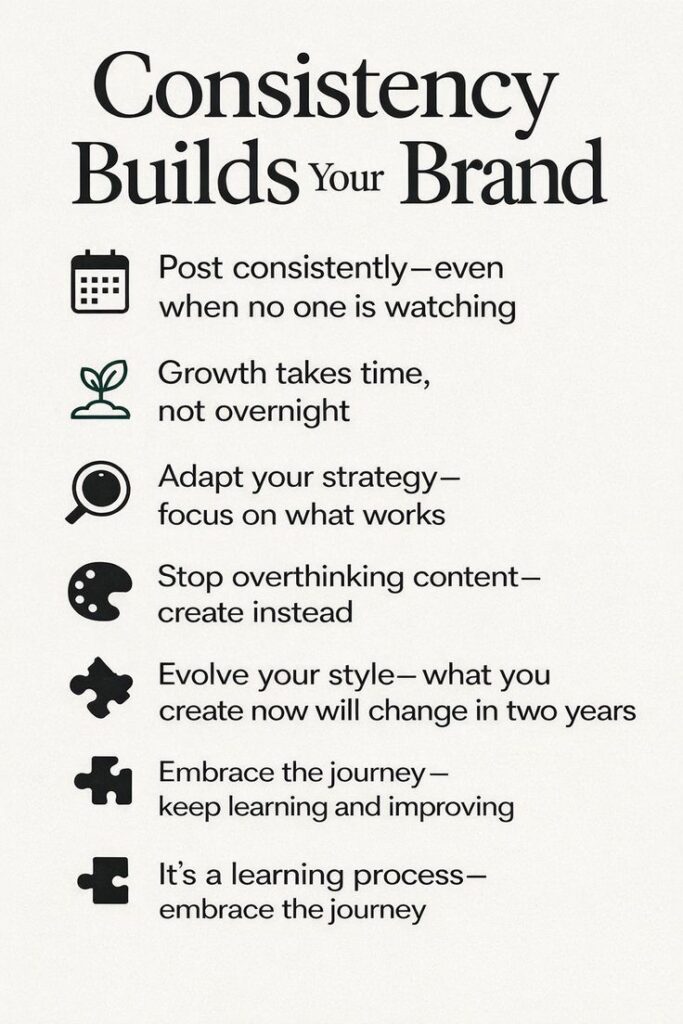
Strong branding creates consistency in:
- visuals
- messaging
- tone
- customer experience
This consistency helps people instantly recognize and remember the business.
Without branding, businesses become easier to ignore or replace.
Because if nothing about your business stands out emotionally or visually, customers often choose based on price alone.
3. Businesses Compete. Brands Position Themselves
Businesses often try to compete directly:
- cheaper prices
- more discounts
- more products
Brands focus more on positioning.
They understand:
- who they serve
- what they represent
- and why people should care
Positioning creates identity.
And identity creates differentiation.
A strong brand does not try to appeal to everyone.
It focuses on being clear and intentional.
4. A Business Can Be Seen. A Brand Can Be Trusted
Visibility alone does not build loyalty.
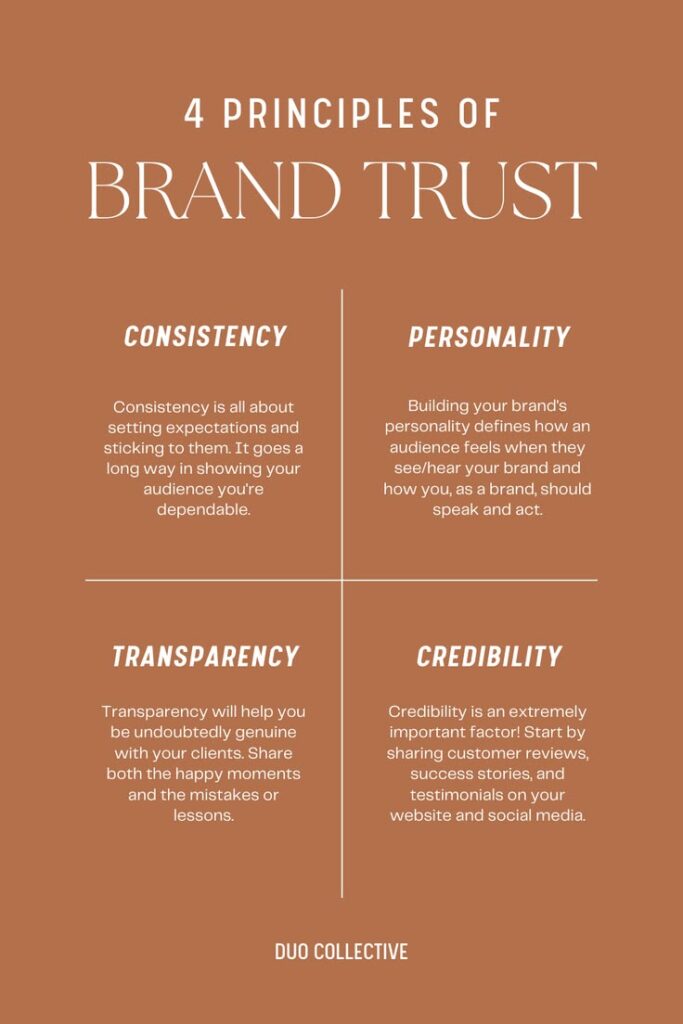
People trust brands that feel:
- professional
- consistent
- authentic
- and reliable
Trust is built through:
- presentation
- communication
- customer experience
- and consistency over time
This is why branding matters even for businesses with good products.
Because customers do not just evaluate what you sell.
They evaluate how credible your business feels.
5. Brands Create Emotional Connection
People naturally connect with brands that reflect:
- their lifestyle
- values
- aspirations
- or personality
This emotional connection is powerful.
It influences:
- loyalty
- referrals
- repeat purchases
- and customer perception
Businesses sell solutions.
Brands create relationships.
6. Branding Influences Perceived Value
Strong branding changes how people perceive quality and value.
Two businesses may offer similar products…
But the one with stronger branding often appears:
- more premium
- more trustworthy
- and more professional
Branding affects perception before the customer even experiences the product.
And perception influences decision-making.

Conclusion
A business focuses on selling.
A brand focuses on meaning, identity, trust, and experience.
Both are important.
But in today’s market, simply having a business is no longer enough.
People remember brands that:
- feel intentional
- communicate clearly
- and create connection
Because products can be copied.
But strong brand perception is much harder to replace.
At Branda.com.ng, we help businesses move beyond simply existing online.
We help brands become recognizable, intentional, and trusted through strategic branding, digital presence, and website development designed to create real impact.
Because successful businesses sell.
But strong brands stay remembered.