


₦0
A Trade Fair Is More Than a Sales Floor: What Your Brand Can Learn From Being There
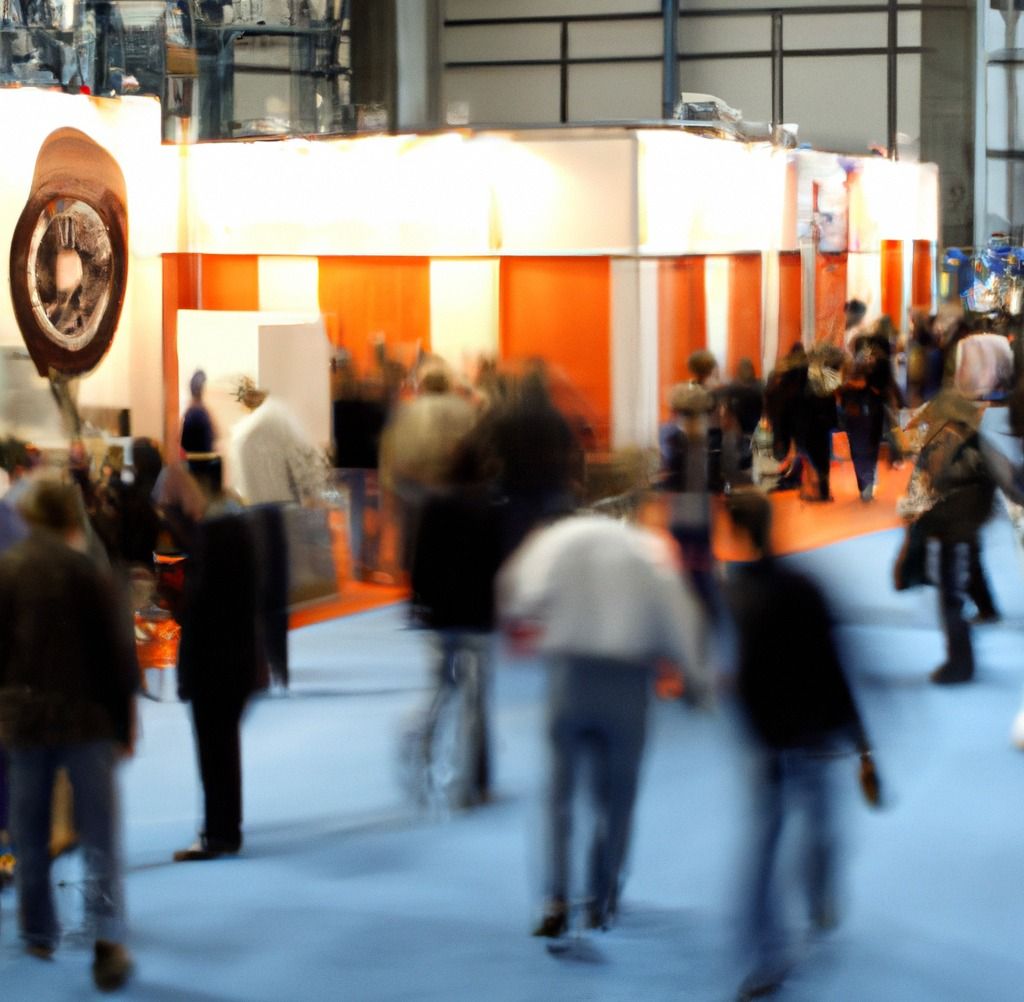
A business prepares for a trade fair.
Products are selected. Prices are set. Displays are arranged. Marketing materials are printed. The team gets ready to meet potential customers.
Naturally, everyone hopes to make sales.
But what if the most valuable thing your business takes away from the event isn’t the money made that day?
What if it’s the information?
The questions people ask. The products they pick up. The things they compare. The reasons they hesitate. The conversations that never quite become purchases.
A trade fair gives businesses something that can be difficult to obtain through digital marketing alone: an opportunity to observe how people respond to their brand in real time.
And that opportunity is worth more than foot traffic.
1. What Makes People Stop at Your Display?
At an exhibition, customers encounter several businesses competing for their attention.
Some displays attract immediate interest. Others are passed without a second look.
Pay attention to what makes people stop.
Is it the product arrangement? The colours? The signage? The way the products are demonstrated? Or simply how easy it is to understand what the business offers?
These observations can reveal what your brand communicates visually before anyone explains it.
A good display doesn’t just attract attention.
It helps visitors understand what they’re looking at and why they should care.
2. The Questions People Ask Reveal What Your Marketing Missed
Imagine explaining your product to ten different visitors.
Five ask what makes it different.
Three want to know how it works.
Two ask about pricing.
Those repeated questions are useful information.
They may reveal that your product descriptions aren’t clear enough, your unique selling point isn’t obvious, or customers need more information before making a decision.
Instead of treating every question as an isolated enquiry, look for patterns.
What do people consistently want to know?
What do they misunderstand?
What information do they need before feeling comfortable buying?
Sometimes, the questions customers ask at an exhibition can tell you exactly what your website, catalogue or marketing materials need to explain better.

3. Watch What Customers Compare
Customers rarely evaluate a product in isolation.
They compare.
Price against quality.
Design against practicality.
One brand against another.
What they can afford against what they believe is worth paying for.
An exhibition makes some of these comparisons easier to observe.
Notice what visitors pick up, what they examine closely, what they ask about and what makes them return to a particular product.
These behaviours can help businesses understand what customers value beyond the product’s appearance.
Perhaps durability matters more than packaging.
Perhaps customers want more variety.
Perhaps they appreciate the craftsmanship but don’t immediately understand the value behind the price.
These are insights worth taking back to the business.
Your competitors aren’t the only ones you should be watching at an exhibition. Your customers are worth observing too.
4. Not Every Interested Visitor Is Ready to Buy
Someone may spend ten minutes at your stand without making a purchase.
That doesn’t automatically mean the interaction failed.
They may be researching.
Comparing options.
Looking for a supplier.
Considering a future purchase.
Trying to understand whether your product meets a particular need.
The important thing is to understand the difference between someone who isn’t interested and someone who simply isn’t ready.
Give visitors an easy way to continue the conversation.
A catalogue, website, contact card, QR code or social media page can help them find you again.
A good exhibition interaction doesn’t always end with a transaction.
Sometimes, it starts a relationship.
5. Make Sure Your Brand Is Easy to Remember After the Event
People encounter several businesses at exhibitions.
By the time they get home, they may struggle to remember which stand had the product they liked or which company they intended to contact.
This is why your brand needs to leave visitors with something recognisable.
It could be a useful product catalogue, a memorable demonstration, a clearly presented contact card or a thoughtfully designed promotional item.
The goal isn’t to give everyone something simply because they stopped by.
It’s to make it easy for interested people to remember who you are and find you again.

6. The Real Work Begins After the Event
When the exhibition ends, don’t measure its success by sales alone.
Bring your team together and discuss what happened.
- Which products attracted the most attention?
- What questions came up repeatedly?
- What objections prevented purchases?
- Which conversations generated genuine business interest?
- What did visitors understand immediately?
- What needed additional explanation?
- What should be changed before the next event?
These observations can influence future product decisions, pricing communication, website content, product displays and marketing strategies.
An exhibition should not just generate activity.
It should generate information your business can use.
Your Exhibition Display Is Part of Your Brand
A business can have excellent products and still struggle to communicate their value at an exhibition.
The display, signage, promotional materials, product presentation and people representing the business all contribute to how visitors experience it.
This is where preparation matters.
Your exhibition space should make it easy for people to identify your business, understand what you offer and engage with your products.
From promotional tables and banners to printed catalogues, branded apparel and merchandise, every element should serve a purpose.
At Branda, we understand that event branding goes beyond putting a logo on a display. It’s about helping businesses present their products and identity in a way that supports real interactions with their audience.
Final Thought
A successful trade fair isn’t measured only by how many people visited your stand or how many products you sold.
It’s also measured by what you discovered.
The questions you didn’t know customers were asking.
The products you didn’t realise people preferred.
The gaps in your communication.
The opportunities you hadn’t considered.
These are the insights that can influence what your business does next.
So, when preparing for your next exhibition, don’t go with only one objective.
Go prepared to sell, but leave prepared to learn.
Make Your Next Exhibition Count
Whether you’re preparing for a trade fair, product showcase, pop-up or corporate exhibition, Branda helps businesses develop the physical branding materials and promotional displays needed to present their brands effectively.
Give people more than a reason to stop. Give them a reason to remember you.
On A Final Note
Ready to shop?
Order all branding services from this article and more on Branda, delivered to you.
Shop on Branda →Ready for bulk or special orders?
Find everything from our articles and make unique purchases in bulk and more.
Contact us →