


₦0
The Event Is Over. What Happens to the People You Met?
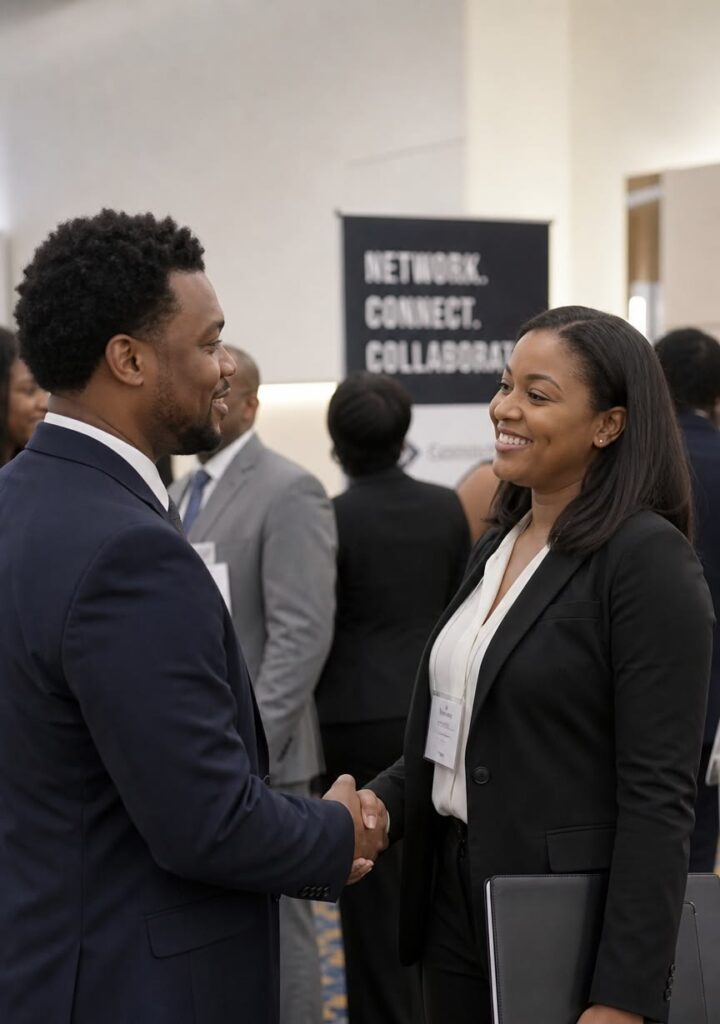
You Collected Contacts. But Did You Build Connections?
The exhibition is over.
The banners have come down.
The products have been packed away.
The conversations have ended.
You’ve exchanged business cards, collected phone numbers, connected with people on LinkedIn and promised to get in touch with a few potential clients.
For a few hours, your business was in front of new people.
But now that everyone has returned to their normal routines, something important happens.
People get busy again.
Emails pile up. Meetings resume. New priorities take over.
And those promising conversations from the event?
They can quickly become forgotten contacts.
This is where many businesses miss an important opportunity.
Getting someone interested in your business is one thing. Giving them a reason to continue the conversation is another.
The event may be over, but the business opportunity doesn’t have to be.
1. Not Every Contact Is a Potential Customer. Learn the Difference.
One common mistake after an exhibition is treating every person who visited your stand as an equally valuable lead.
They aren’t.
Some people were simply browsing.
Some were genuinely interested in your products.
Others were looking for suppliers, exploring partnerships or considering future business opportunities.
These are different relationships, and they shouldn’t all receive the same follow-up message.
Start by organising your contacts into simple categories:
Ready-to-buy prospects: People who expressed a clear interest in purchasing or requested a quotation.
Interested prospects: People who asked questions, explored your products or requested additional information.
Potential partners: Businesses or professionals with opportunities for collaboration.
Future connections: People worth keeping in touch with, even if there is no immediate business opportunity.
This simple exercise helps you prioritise your follow-up efforts instead of sending the same message to everyone.
2. Follow Up While the Conversation Is Still Fresh
Remember that person who asked about your customised products?
Or the business owner who wanted to discuss a possible partnership?
They may have spoken to several other businesses at the same event.
Waiting several weeks before reaching out makes it harder to reconnect naturally.
A better approach is to follow up while the conversation is still familiar, ideally within a day or two where practical.
But don’t just send:
“Hello, it was nice meeting you at the event.”
That’s polite, but it doesn’t give the recipient much to respond to.
Instead, reference something specific from your conversation.
For example:
For a potential client:
“Hello [Name], it was great meeting you at [Event]. I enjoyed our conversation about your upcoming product launch. As discussed, I’m sharing some information about our services that may be useful for your plans. Happy to continue the conversation.”
For a potential business partner:
“Hello [Name], it was lovely connecting with you at [Event]. I found our conversation about possible collaboration interesting. I’d be glad to explore how our businesses could work together. Let me know a convenient time to continue the discussion.”
The difference is simple.
One message reminds someone that you met.
The other reminds them why meeting you was worth remembering.

3. Don’t Make People Ask You for Information You Already Promised
Imagine meeting someone who expresses interest in your products.
You tell them about your business, explain what you offer and promise to send more information.
Then you disappear.
Or you send a message saying:
“Check our page for more details.”
You have given them another task instead of helping them take the next step.
Make the follow-up useful.
Depending on the conversation, share:
-
Your company profile or service brochure.
-
A relevant product catalogue.
-
A portfolio of previous projects.
-
A quotation or proposal.
-
A link to the specific service they asked about.
-
A case study that demonstrates your capabilities.
The goal is to reduce the effort required for someone to understand your business and make a decision.
Don’t just reopen the conversation. Give it somewhere to go.
4. Turn Interest Into a Clear Next Step
Not every follow-up should end with:
“Let us know if you need anything.”
Sometimes, the person needs a little direction.
If someone asked about pricing, offer to prepare a quotation.
If they were interested in a partnership, suggest a meeting.
If they wanted to see more products, share the relevant catalogue.
If they were considering your service, explain the next steps.
A good follow-up should make the next action obvious without making the recipient feel pressured.
Consider the difference:
Instead of:
“Please let us know when you’re ready.”
Try:
“Would you be available for a short call this week so we can understand your requirements and recommend the best option?”
The first leaves the entire responsibility with the recipient.
The second makes it easier to continue.
5. Remember That Not Every Opportunity Converts Immediately
Some of the most valuable connections won’t result in an immediate sale.
A business owner may need to secure a budget first.
A company may be planning a project for the next quarter.
A potential partner may need to discuss the opportunity internally.
Someone may simply not need your service yet.
That doesn’t mean the relationship has no value.
Stay relevant without becoming intrusive.
Share useful updates, relevant projects, helpful resources or information that connects to the original conversation.
The important thing is to have a genuine reason to reconnect.
There is a difference between staying visible and repeatedly asking someone to buy.
Relationships develop through relevant conversations, not constant reminders that you’re selling something.
6. Give People Something to Remember You By
Think about what happens after an event.
Someone may return home with several business cards, brochures and product samples.
A few days later, they try to remember which business offered what.
This is why your business should make it easy for people to reconnect with you.
A clear website.
A useful company profile.
A well-organised product catalogue.
A professional portfolio.
Relevant social media pages.
A simple, recognisable business identity.
These materials help continue the introduction you made in person.
If someone wants to learn more about your company after meeting you, they shouldn’t have to struggle to understand what you do.
Make the next interaction just as useful as the first.
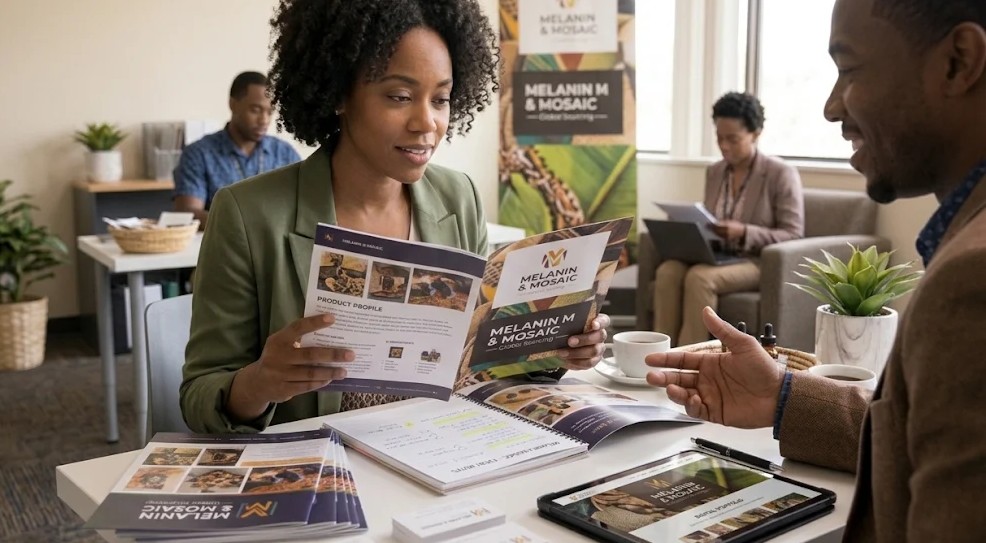
7. Measure What Happens After the Event
When businesses evaluate exhibitions, they often focus on attendance, sales made and the number of contacts collected.
Those numbers are useful, but they don’t tell the entire story.
Look at what happens afterwards.
How many meaningful follow-up conversations took place?
How many quotation requests came in?
How many meetings were scheduled?
How many partnerships progressed?
How many people eventually became customers?
These are the outcomes that help businesses understand whether their participation created opportunities beyond the event itself.
Keep a simple record of these interactions.
It will also help you identify which events attract the right audience for your business and which ones deserve more investment in the future.
The Event Is Only the Beginning of the Relationship
An exhibition creates an opportunity for people to discover your business.
But what happens afterwards determines whether that discovery develops into something more.
The conversation needs to continue.
The information needs to be shared.
The promises made at the stand need to be followed through.
And the business needs to remain relevant to the people it wants to reach.
This is also where your supporting brand materials become important.
A company profile helps explain your business.
A portfolio demonstrates your work.
A website gives prospects somewhere to explore.
A well-presented proposal helps move a conversation towards a decision.
Each material has a role in helping potential customers take the next step.
How Branda Helps Businesses Make the Next Impression Count
Getting people interested in your business is only part of the process. You also need the right materials to keep the conversation moving.
From professionally developed company profiles and brochures to websites, presentation materials, promotional products and corporate branding, Branda helps businesses create the tools that support how they introduce, present and communicate their offerings.
Because the opportunity created at an event deserves more than a business card exchange.
Final Thought
You can spend days preparing for an exhibition.
You can invest in your display, products, promotional materials and team.
You can meet hundreds of people and have dozens of promising conversations.
But when the event ends, those opportunities need somewhere to go.
The business that follows up thoughtfully, communicates clearly and makes the next step easier has a better chance of turning an introduction into a relationship.
So, before you start planning your next exhibition, look back at the last one.
Who did you meet?
Who did you promise to contact?
Which conversations deserve another step?
And more importantly:
What are you doing with the opportunities you already created?
Make Every Business Connection Count
From company profiles and printed materials to websites, portfolios and promotional branding, Branda helps businesses present themselves professionally and stay equipped for meaningful business conversations.
Don’t let a good introduction become a forgotten contact. Give the relationship somewhere to go.
On A Final Note
Ready to shop?
Order all branding services from this article and more on Branda, delivered to you.
Shop on Branda →Ready for bulk or special orders?
Find everything from our articles and make unique purchases in bulk and more.
Contact us →