


₦0
Branda Projects Corporate branding projects by Branda Custom manufactured Wears Branding projects by Branda Polo branding projects by Branda Promotional Material Projects Tee shirts branding projects by Branda
From Business to Brand: The Transformation Every Company Needs

Every brand starts as a business.
A person has an idea.
A company creates a product or service.
Customers begin to notice.
But not every business becomes a brand.
A business sells.
A brand connects.
A business provides a solution.
A brand creates trust, recognition, and loyalty.
In today’s competitive market, having a good product or service is no longer enough. Customers have more options than ever, and the businesses that stand out are the ones that create a strong identity and memorable experience.
The transformation from business to brand is the journey of becoming more than just another company.
It is about becoming a name people recognize, trust, and choose.
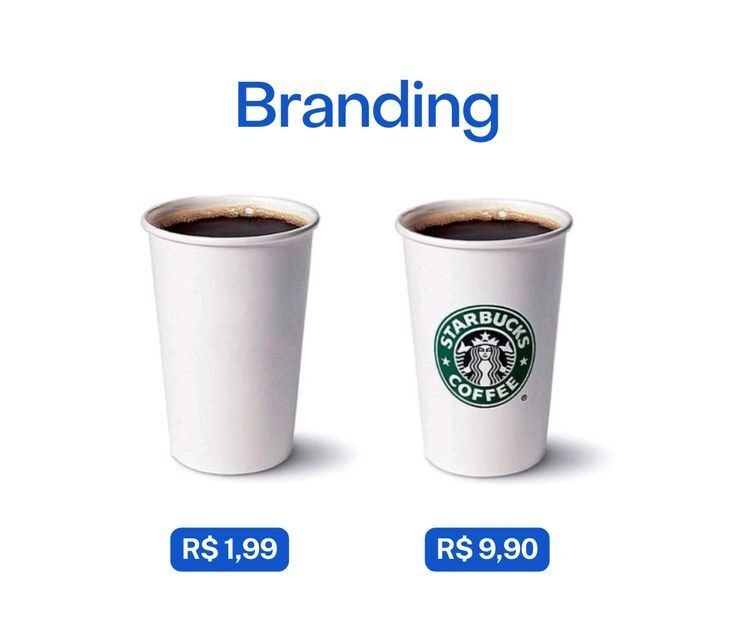
1. A Business Focuses on What It Sells, a Brand Focuses on What It Represents
A business usually begins with a simple question:
“What do we offer?”
A brand asks a deeper question:
“What do we want people to associate with us?”
For example, two companies may offer the same service.
But one may be remembered because of:
- its values
- customer experience
- communication style
- visual identity
- and reputation
A brand creates meaning beyond the product.
It gives customers a reason to connect emotionally.
2. Branding Creates Recognition
One of the biggest differences between a business and a brand is recognition.
A business may be known by a few customers.
A brand becomes familiar to a wider audience.
Professional branding helps create recognition through:
- consistent visuals
- clear messaging
- professional design
- strong online presence
- and memorable experiences
Every interaction a customer has with a company contributes to how they remember it.
This includes websites, social media, physical spaces, packaging, and communication.
A strong brand ensures all these experiences tell the same story.
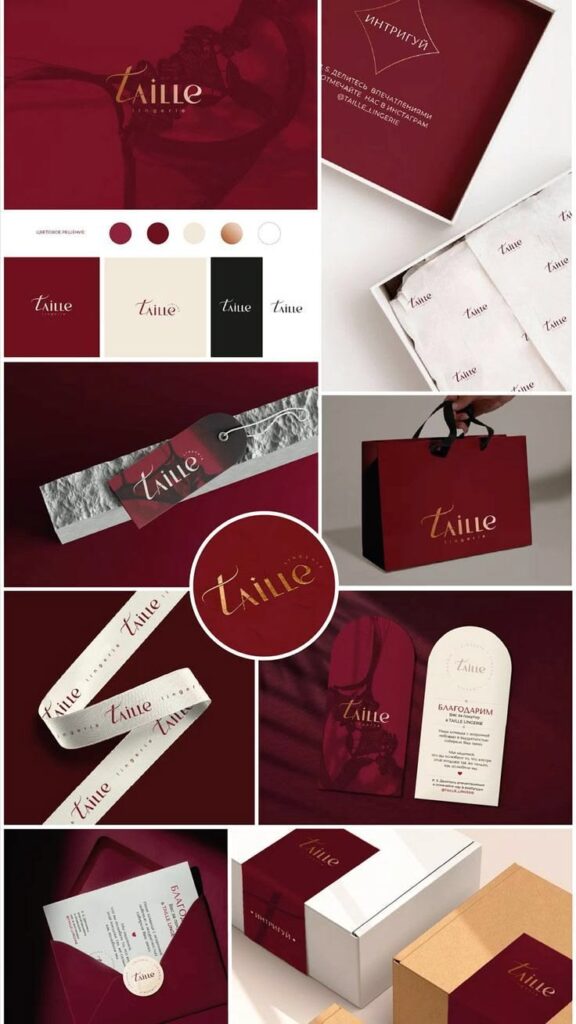
3. A Brand Builds Trust Before the First Conversation
Customers often form opinions before they ever speak to a business.
They judge based on:
- website quality
- appearance
- professionalism
- online presence
- and how the company presents itself
This is why businesses that invest in their identity often appear more credible.
A professional brand communicates:
“We are serious about what we do.”
Trust is not built only through promises.
It is built through consistent experiences.
4. Your Visual Identity Is Part of Your Business Story
Branding is more than choosing colors or creating a logo.
A complete brand identity includes:
- how your business looks
- how it communicates
- how customers experience it
- and what emotions it creates
A logo may introduce a business.
But the entire brand experience determines how people remember it.
This is why businesses need consistency across every touchpoint.

5. Digital Presence Turns Businesses Into Accessible Brands
Today, many customers discover businesses online before anywhere else.
Your website and digital platforms often become the first interaction between your business and potential customers.
A professional digital presence helps communicate:
- credibility
- convenience
- professionalism
- and trust
A website is no longer just information about a company.
It is part of the customer experience.
Businesses that understand this use digital platforms to strengthen their brand identity.
6. Physical Spaces Also Tell Your Brand Story
A brand is not only experienced online.
Physical environments also influence perception.
Office spaces, stores, and work environments communicate messages about a business.
A well-designed workspace can reflect:
- professionalism
- company culture
- creativity
- and attention to detail
This is why workspace design has become part of modern branding.
Your environment can influence how clients, employees, and partners see your company.

7. Brands Compete Through Experience, Not Just Products
Many businesses can sell similar things.
The difference often comes from the experience around the product.
Customers remember:
- how easy it was to interact with you
- how professional your process felt
- how your business made them feel
Strong brands create experiences that customers want to return to.
They move from simply making sales to building relationships.
8. Growth Requires a Strong Foundation
As businesses grow, inconsistency can become a problem.
Different designs.
Different messages.
Different customer experiences.
This can make a company feel unorganized.
A strong brand foundation helps businesses scale while maintaining identity.
It creates a structure for:
- marketing
- customer communication
- business presentation
- and future growth
9. The Goal Is to Become Remembered
The biggest difference between a business and a brand is memory.
A business asks:
“How do we get customers?”
A brand asks:
“How do we remain valuable to customers?”
The strongest companies are remembered because they create something beyond a transaction.
They create trust.
They create connection.
They create an identity people want to associate with.
Conclusion
The journey from business to brand is not about changing who you are.
It is about clearly communicating who you are.
A business becomes a brand when it develops:
- a clear identity
- consistent experiences
- professional presentation
- and meaningful customer relationships
Because in a crowded marketplace, customers do not only choose what you sell.
They choose the businesses they trust.
And trust is what turns a company into a brand.
At Branda.com.ng, we help businesses move from simply existing to becoming recognizable brands.
Through branding, website development, workspace design, digital solutions, and creative business experiences, we help companies build identities that communicate trust and professionalism.
Because every great business deserves to become a memorable brand.