

₦0
Branda Projects BrandGifts by Branda Business card printing projects by Branda Corporate branding projects by Branda Custom manufactured Wears Branding projects by Branda Print Company Print Shop
What Makes a Business Feel Premium Instantly?
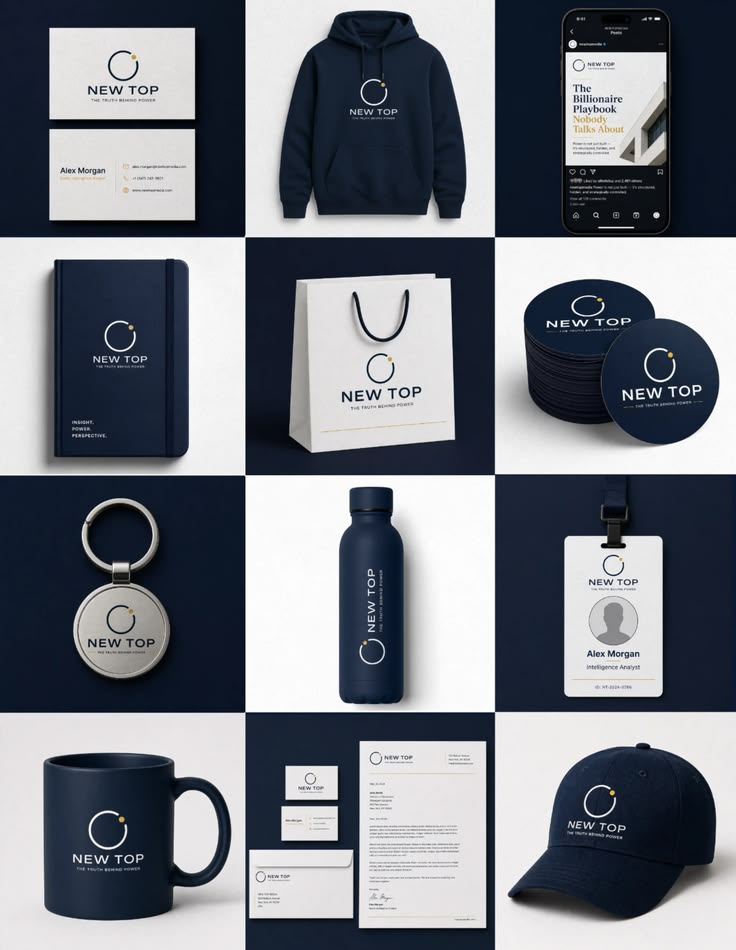
Some businesses feel premium the moment you encounter them.
Before you buy anything…
Before speaking to customer service…
Before experiencing the product itself…
You already sense quality.
Meanwhile, other businesses may offer good products but still struggle to feel trustworthy, professional, or valuable.
Why?
Because premium perception is not created by price alone.
It is created through presentation, consistency, experience, and emotional positioning.
In today’s market, people often judge businesses emotionally before evaluating them logically.
This means customers are not only buying products or services.
They are also buying:
- confidence
- trust
- experience
- status
- and perception
This is why some brands feel premium instantly while others feel forgettable.
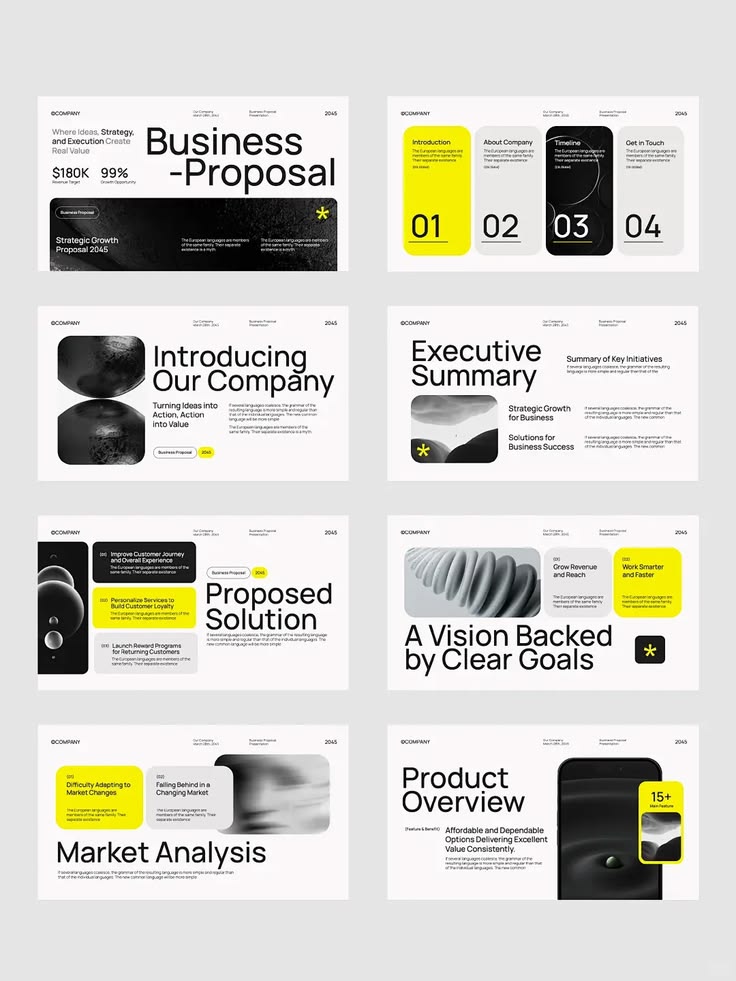
1. Premium Businesses Prioritize Presentation
Presentation creates first impressions faster than explanations.
Customers immediately notice:
- branding
- website quality
- office environment
- packaging
- visuals
- and communication style
A business that looks intentional automatically feels more professional.
Meanwhile, inconsistent or careless presentation can reduce perceived value even if the product itself is good.
Premium businesses understand that perception starts before the actual purchase experience.
Everything customers see contributes to how the brand is judged.
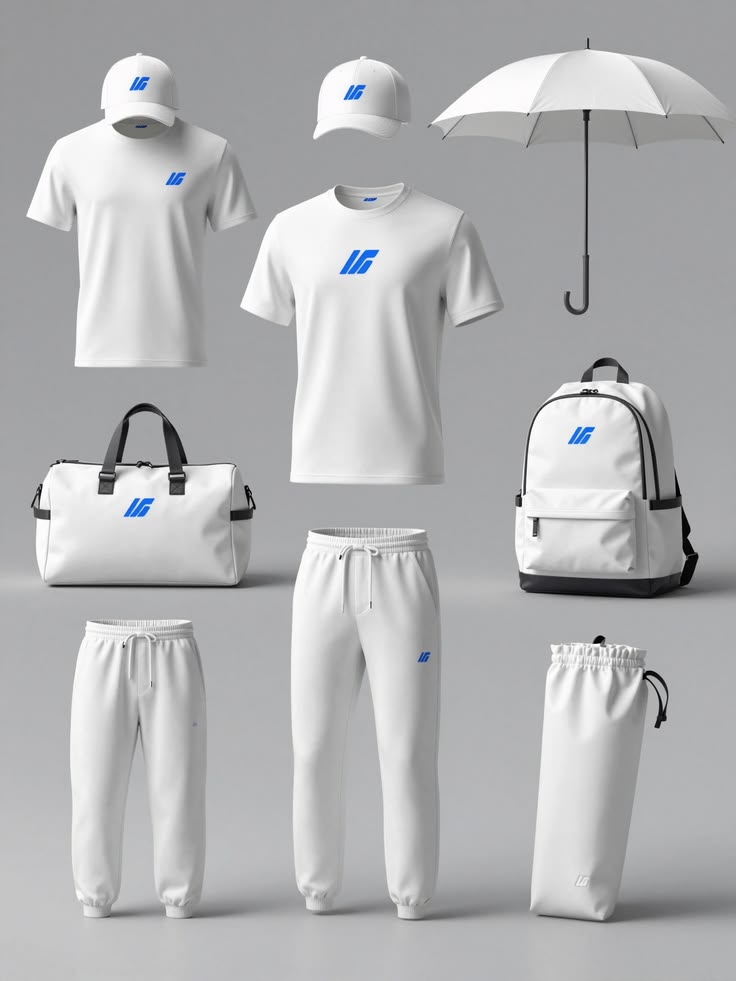
2. Consistency Builds Trust
One major characteristic of premium businesses is consistency.
Their:
- visuals
- messaging
- customer experience
- and communication
all feel connected.
Customers trust businesses that feel stable and intentional.
When branding changes constantly or different platforms feel disconnected, the business can appear less credible.
Consistency creates familiarity.
And familiarity creates confidence.
This is why strong brands often feel polished across every touchpoint.
3. Premium Brands Understand Simplicity
Many businesses mistakenly believe “premium” means doing more.
More colors.
More design elements.
More information.
More decoration.
But premium businesses often focus on clarity and simplicity.
Minimal, intentional presentation usually feels more sophisticated than overwhelming visuals trying too hard to impress.
This applies to:
- websites
- office spaces
- social media
- and branding design
Simplicity creates elegance when executed properly.
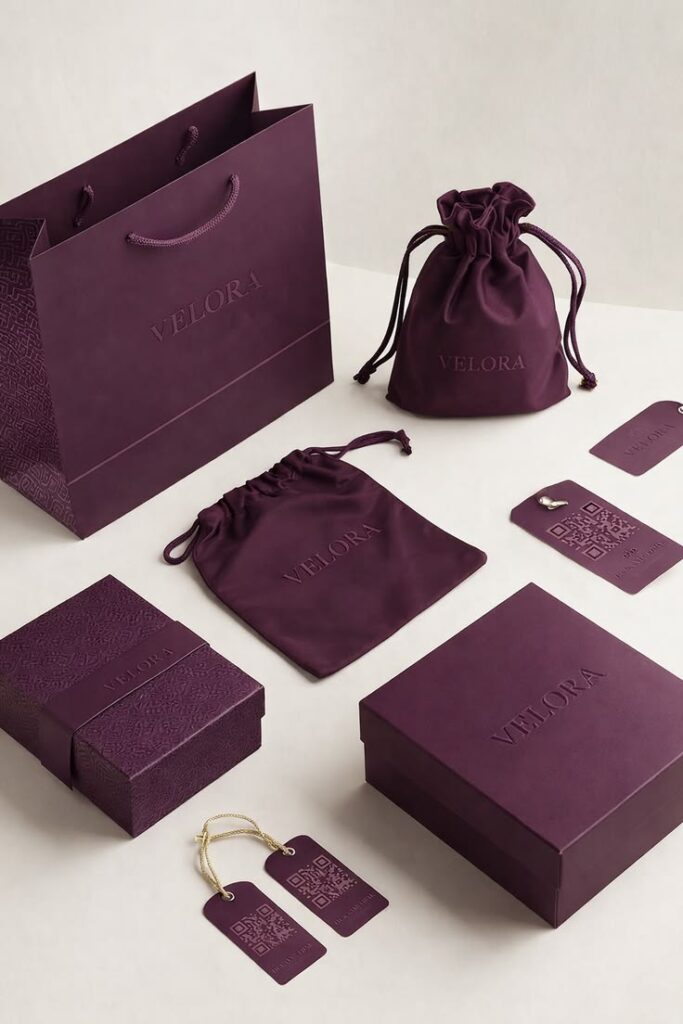
4. Attention to Detail Changes Perception
People notice details subconsciously.
Things such as:
- typography
- spacing
- image quality
- response time
- lighting
- packaging
- and even wording
influence how professional a business feels.
Premium brands pay attention to details because details communicate standards.
Customers may not always explain why a business feels high-quality.
But they can feel when effort and intentionality are present.
5. Customer Experience Matters More Than Advertising
A premium feeling is created through experience, not marketing alone.
Businesses that feel premium usually provide:
- smooth communication
- organized processes
- clear information
- respectful customer interaction
- and seamless user experience
The way customers feel during interaction often matters as much as the product itself.
This is why businesses with average products but excellent experience sometimes outperform businesses with stronger products but poor presentation.
6. Strong Branding Increases Perceived Value
Branding affects how customers interpret quality.
Two businesses can offer similar services…
Yet the one with:
- stronger identity
- cleaner visuals
- better positioning
- and more intentional communication
often appears more valuable.
Premium brands do not only sell functionality.
They sell perception and emotional confidence.
This influences:
- pricing power
- customer trust
- loyalty
- and overall reputation

7. Premium Businesses Feel Intentional
One major difference between average and premium businesses is intentionality.
Premium businesses rarely feel random.
Their:
- visuals
- environment
- tone
- and customer journey
all feel carefully considered.
This creates the impression that the business knows exactly:
- who it serves
- what it represents
- and the kind of experience it wants customers to have
Intentionality creates professionalism.
And professionalism creates trust.
8. Digital Presence Influences Premium Perception
Today, customers often encounter businesses online before anywhere else.
This means websites and digital presentation strongly influence perception.
A premium business usually has:
- a modern website
- professional visuals
- mobile-friendly experience
- clear navigation
- and consistent branding
If a website feels outdated or confusing, customers may unconsciously question the business itself.
Digital experience has become part of brand quality.
9. Physical Spaces Also Shape Brand Value
For businesses with offices or physical locations, environment matters significantly.
Clients notice:
- cleanliness
- design
- atmosphere
- organization
- and overall presentation
A well-designed office creates confidence before conversations even begin.
This is because physical environments communicate:
- standards
- professionalism
- and attention to experience
Office spaces are no longer just functional.
They are part of brand identity.

Conclusion
What makes a business feel premium instantly is rarely just the product itself.
It is the combination of:
- presentation
- consistency
- intentionality
- customer experience
- branding
- and attention to detail
Premium perception is built through every interaction customers have with a business.
Because people do not only remember what a business sells.
They remember how the business made them feel.
And businesses that create strong emotional perception are often the ones customers trust most.
At Branda.com.ng, we help businesses create premium experiences both digitally and physically.
From branding and website development to office space design, we focus on building professional business identities that communicate trust, quality, and intentionality from the very first interaction.
Because premium businesses are not built by accident.
They are designed intentionally.