


₦0
When Everything Looks AI-Generated, What Makes a Brand Feel Human?

There is a strange problem emerging in branding.
It is becoming easier to make something look good.
Images can be generated in seconds. Copy can be produced instantly. Videos can be created without a camera crew. Ideas can be expanded, rewritten and repackaged almost endlessly.
The result is more content than ever.
But more content does not necessarily make brands more memorable.
In fact, as AI makes polished content easier to produce, the things that feel unmistakably human may become more valuable.
A real opinion.
A recognisable voice.
A specific story.
A person standing behind an idea.
An experience that actually happened.
These are difficult to manufacture at scale.
And that may be where the next advantage in branding lies.
The Problem Isn’t AI. It’s Sameness.
AI can be extremely useful for businesses.
It can help teams move faster, generate starting points and handle repetitive tasks. The problem begins when every brand starts using it to produce the same kind of thing in the same kind of way.
The captions begin to sound alike.
The imagery starts following the same polished visual language.
The writing becomes technically correct but strangely interchangeable.
The brand is present, but its personality is harder to recognise.
That is the danger of treating AI as the source of the brand rather than a tool used by the people behind it.
Because speed can produce more content, but it cannot automatically produce character.
Current research reflects this growing tension. Gartner reported in June 2026 that 49% of surveyed U.S. consumers believed GenAI had made the quality of available content worse, while its broader 2026 research has highlighted increasing consumer scepticism around synthetic content and the importance of human points of view, expertise and advocacy.
The opportunity, then, is not necessarily to produce less.
It is to make what you produce feel more like you.
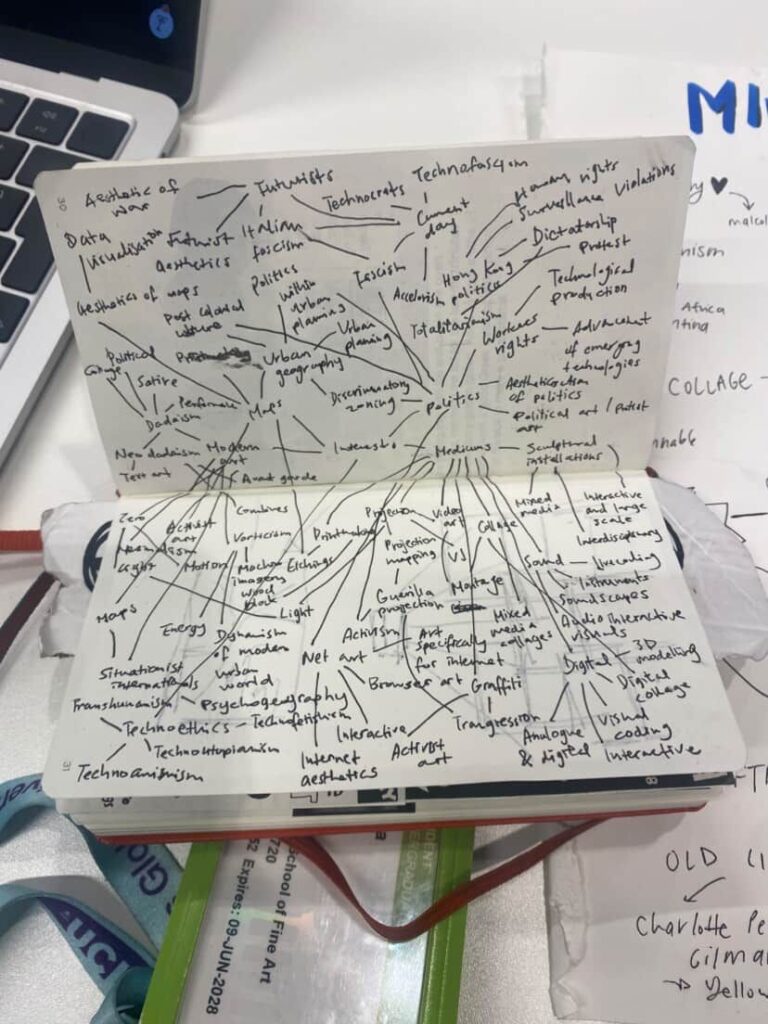
Human Brands Have a Point of View
One of the easiest ways to make content feel generic is to remove every opinion from it.
Everything becomes safe.
Everything is agreeable.
Everything sounds professionally written.
But brands are not memorable because they agree with everyone.
They become recognisable because they have a perspective.
A fashion company might believe that getting dressed should be effortless rather than complicated.
A technology company might believe that good design should disappear into the experience.
A branding company might believe that businesses should think about what their brand does, not simply how it looks.
Those beliefs influence decisions.
They influence what the company creates, what it refuses, how it speaks and what it chooses to put forward.
A point of view gives a brand something to sound like.
Without one, even technically excellent content can feel empty.
Specificity Is One of the Strongest Human Signals
There is another reason some brand content feels more human than others:
It contains details that could only have come from somewhere.
Not vague statements about “transforming businesses.”
Not “innovative solutions for modern audiences.”
Actual observations.
A particular customer problem.
A decision made during a project.
A mistake that changed the process.
A detail that the team noticed.
A reason something was designed one way instead of another.
These details create texture.
They tell the audience that there are real people with real experiences behind the brand.
This is why a specific story about a project can often communicate more than ten polished promotional statements.
The story has evidence.
The evidence has context.
And the context makes the brand believable.
People Make Brands Feel Human
This sounds obvious, but brands sometimes hide the people who make them.
Everything becomes corporate language.
The company speaks.
The company believes.
The company is committed.
The company provides.
But customers often connect more easily when they can see the people behind the work.
A founder explaining why the business exists.
A designer showing how an idea developed.
A team member explaining a problem they solved.
A customer sharing what the experience was actually like.
This does not mean every brand suddenly needs to turn its social media into a personal diary.
It means there should be evidence of people behind the organisation.
That might come through faces, voices, interviews, behind-the-scenes footage, project stories, customer experiences or simply a distinctive way of communicating.
Human does not mean informal.
It means there is someone behind the message.

Perfection Is Not the Same as Personality
There is also a temptation to polish everything until nothing unexpected remains.
Every sentence is refined.
Every image is perfect.
Every video is scripted.
Every interaction follows the brand guideline.
There is nothing technically wrong with that.
But when every element feels controlled, audiences may struggle to find the person underneath it.
This is where authenticity becomes important.
Not because brands should become careless.
Not because quality no longer matters.
But because polish should serve personality rather than replace it.
A professionally produced video can still feel human.
A carefully designed campaign can still have character.
A beautifully written article can still contain a real opinion.
The question is not whether something looks polished.
The question is whether there is anything real underneath the polish.
Your Existing Brand Is Already Full of Human Material
This is perhaps the most overlooked opportunity.
Brands often think they need to constantly invent new things to post.
Another campaign.
Another trend.
Another educational carousel.
Another AI-generated visual.
But there is already content sitting inside the business.
Projects.
People.
Customers.
Decisions.
Processes.
Conversations.
Challenges.
Wins.
Lessons.
Behind-the-scenes moments.
The things your team considers ordinary may be exactly what makes your brand distinctive.
A project is not only something to put in a portfolio.
It is a story about a problem, a decision and an outcome.
A workspace is not only a photograph.
It can reveal how a company thinks about people, culture and work.
A printed piece is not only a finished product.
It can show how an idea became something physical.
Human content is often less about creating something from scratch and more about noticing what is already there.

What Should Brands Do With AI, Then?
Use it.
Just do not let it become the most interesting thing about the brand.
AI can help with speed.
It can help generate options.
It can help with repetitive work.
It can help teams explore ideas more efficiently.
But the brand still needs to decide what is worth saying.
What it believes.
What it has learned.
What it has experienced.
What its customers actually care about.
Where it stands.
What makes its story different from everyone else’s.
That is the human layer.
And increasingly, that layer may be the one people notice most.
Gartner’s 2026 marketing research frames this shift around trust: as content becomes abundant and inexpensive to produce, trusted human viewpoints, expert proof and community advocacy become more important differentiators.
The Future May Not Belong to the Most Human-Looking Brand
It may belong to the brand with the most human substance.
There is an important difference.
A brand can manufacture the appearance of authenticity.
It can use casual photography.
It can write conversational captions.
It can add behind-the-scenes content.
It can even try to imitate the language of a founder or creator.
But audiences eventually need something underneath the aesthetic.
A real perspective.
Real people.
Real experiences.
Real proof.
That is much harder to fake consistently.
And perhaps that is why branding is entering an interesting new phase.
For years, brands competed for attention.
Now, as technology makes it easier for almost everyone to produce something polished, the question is increasingly becoming:
What makes your brand worth believing?
Not just what can you generate.
Not just how quickly you can publish.
Not just how good the content looks.
But what can only come from your people, your thinking, your experience and the way your business actually operates.
Because when everything can look convincing, being genuinely specific becomes powerful.
And when almost anything can be generated, being unmistakably yourself may become the real differentiator.
Final Thought
AI can help a brand create more.
It cannot decide what makes that brand matter.
That still comes from people.
From the ideas they believe in.
The problems they have solved.
The experiences they create.
And the stories only they can tell.
The brands that feel human may not be the ones avoiding AI. They may be the ones making sure there is still something human worth finding inside everything AI helps them create.
