


₦0
Branda Projects BrandGifts by Branda Business card printing projects by Branda Corporate branding projects by Branda Custom manufactured Wears Branding projects by Branda Print Company Print Shop
How Workspace Design Supports Collaboration

A well-designed workspace is more than just desks, chairs, and meeting rooms. It influences how employees communicate, solve problems, and work together.
In today’s fast-paced business environment, collaboration is one of the biggest drivers of innovation and productivity. Teams that communicate effectively are more likely to generate creative ideas, resolve challenges quickly, and deliver better results.
While company culture plays an important role in encouraging teamwork, the physical environment can either support or hinder collaboration. A workspace that promotes interaction, comfort, and flexibility helps employees connect more naturally and work more efficiently.
This is why businesses around the world are investing in thoughtfully designed office spaces, not simply for aesthetics, but to improve how people work together.
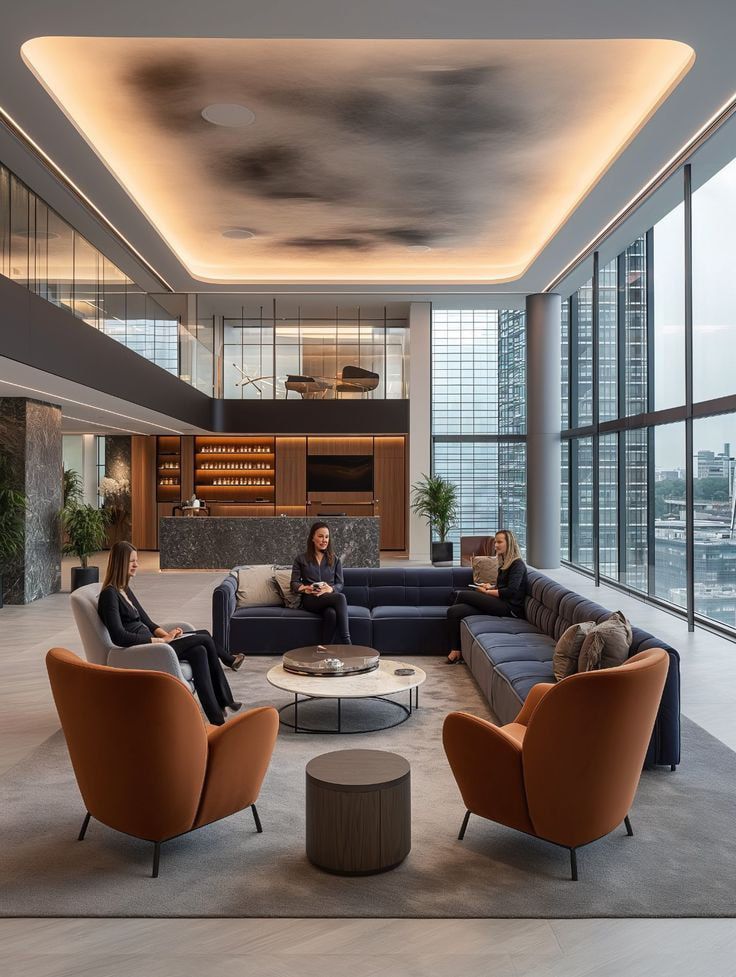
1. Office Design Influences Employee Behaviour
The layout of a workspace affects how employees interact throughout the day.
Traditional offices with isolated cubicles often limit communication, while modern workspaces encourage spontaneous conversations and teamwork.
When employees can easily approach one another, ask questions, or share ideas, collaboration becomes part of the daily workflow rather than something that only happens during scheduled meetings.
Good office design removes barriers that prevent communication.
2. Open Spaces Encourage Communication
Many modern workplaces incorporate open-plan layouts because they make communication easier.
Open spaces can:
- Encourage teamwork
- Speed up decision-making
- Reduce communication gaps
- Make leaders more accessible
- Promote knowledge sharing
Employees are more likely to exchange ideas when they can interact naturally throughout the day.
However, balance is important. Open spaces should be combined with quiet areas where employees can focus when needed.
3. Meeting Spaces Support Better Collaboration
Collaboration requires spaces designed for discussion.
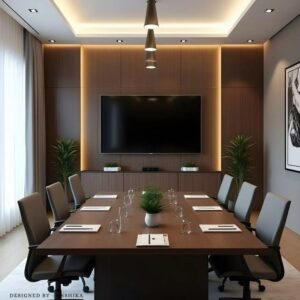
Meeting rooms equipped with comfortable seating, presentation screens, and video conferencing technology make brainstorming sessions more productive.
Businesses can also include informal meeting areas such as lounges or café-style spaces where teams can gather for quick discussions without booking a formal conference room.
Providing different types of meeting spaces allows teams to collaborate in ways that suit different tasks.
4. Flexible Workspaces Improve Teamwork
Today’s workforce is more dynamic than ever.
Rather than assigning every employee to a fixed desk, many businesses now create flexible workspaces where people can choose environments that best suit their work.
Examples include:
- Shared workstations
- Collaboration tables
- Quiet focus rooms
- Breakout areas
- Creative brainstorming spaces
Flexibility allows employees to move between independent work and group collaboration with ease.
5. Comfortable Employees Collaborate Better
Employee comfort has a direct impact on productivity and teamwork.
A comfortable workspace includes:
- Ergonomic chairs
- Adjustable desks
- Good ventilation
- Comfortable temperatures
- Quality lighting
- Low noise levels
When employees are physically comfortable, they are more focused, engaged, and willing to participate in discussions and collaborative projects.
Investing in employee well-being is also an investment in better teamwork.
6. Technology Makes Collaboration Easier
Modern office design goes beyond furniture.
Technology plays a vital role in helping teams work together.
Collaborative workspaces should include:
- Reliable Wi-Fi
- Video conferencing facilities
- Interactive presentation screens
- Charging stations
- Smart meeting room systems
These tools allow both in office and remote employees to communicate effectively, ensuring everyone stays connected regardless of location.

7. Breakout Areas Encourage Creativity
Some of the best ideas happen outside formal meetings.
Comfortable breakout spaces give employees opportunities to:
- Relax briefly
- Have informal discussions
- Exchange ideas
- Build stronger working relationships
These areas often encourage creativity because conversations happen naturally in a less structured environment.
Many successful companies intentionally design these spaces to promote innovation.
8. Office Design Reflects Company Culture
Your workspace communicates your company’s values.
A thoughtfully designed office can demonstrate that your business values:
- Teamwork
- Creativity
- Professionalism
- Innovation
- Employee well-being
This not only influences existing staff but also creates positive impressions on clients, business partners, and prospective employees.
The office becomes an extension of the brand itself.
9. Collaboration Improves Business Performance
When office design encourages teamwork, businesses often experience measurable benefits, including:
- Faster problem-solving
- Increased innovation
- Better communication
- Improved project delivery
- Higher employee satisfaction
- Greater productivity
Employees who work well together tend to produce stronger results than individuals working in isolation.
Creating spaces that support collaboration is ultimately an investment in business success.

10. Every Business Has Different Workspace Needs
There is no single office layout that works for every organization.
A law firm may require more private offices for confidential meetings, while a creative agency may benefit from open collaborative spaces.
Similarly, technology companies often combine open work areas with quiet zones to accommodate different working styles.
The most effective workspace is one designed around the unique needs of the business and its people.
Rather than following trends, businesses should focus on creating environments that support their goals and daily operations.
Branda Perspective
Workspace design is about much more than appearance.
It shapes how employees communicate, collaborate, and perform.
By creating environments that encourage interaction, provide flexibility, and support employee well-being, businesses can foster stronger teamwork and unlock greater productivity.
An effective office is not simply a place where people work, it is a place where ideas are shared, relationships are built, and innovation thrives.
As businesses continue to evolve, thoughtfully designed workspaces will remain an essential part of creating successful, collaborative organizations.
At Branda.com.ng, we believe every workspace should be designed with purpose.
From modern office interiors and functional workspace planning to branding and business solutions, we help organizations create environments that inspire collaboration, enhance productivity, and leave lasting impressions on both employees and clients.
Because great businesses are built by great teams and great teams deserve great workspaces.