


₦0
How Lighting Affects Productivity in the Workplace
When businesses think about creating productive work environments, they often focus on technology, office furniture, or employee training. While these are all important, one factor is frequently overlooked: lighting.
Lighting influences far more than our ability to see. It affects our mood, energy levels, concentration, creativity, health, and overall performance at work. Poor lighting can lead to eye strain, headaches, fatigue, and reduced motivation, while well-designed lighting can help employees stay alert, focused, and engaged throughout the day.
Whether it’s a corporate office, creative studio, retail showroom, or co-working space, lighting plays a crucial role in shaping both employee performance and client perception.
Let’s explore why lighting is one of the most powerful yet underrated elements of workplace design.
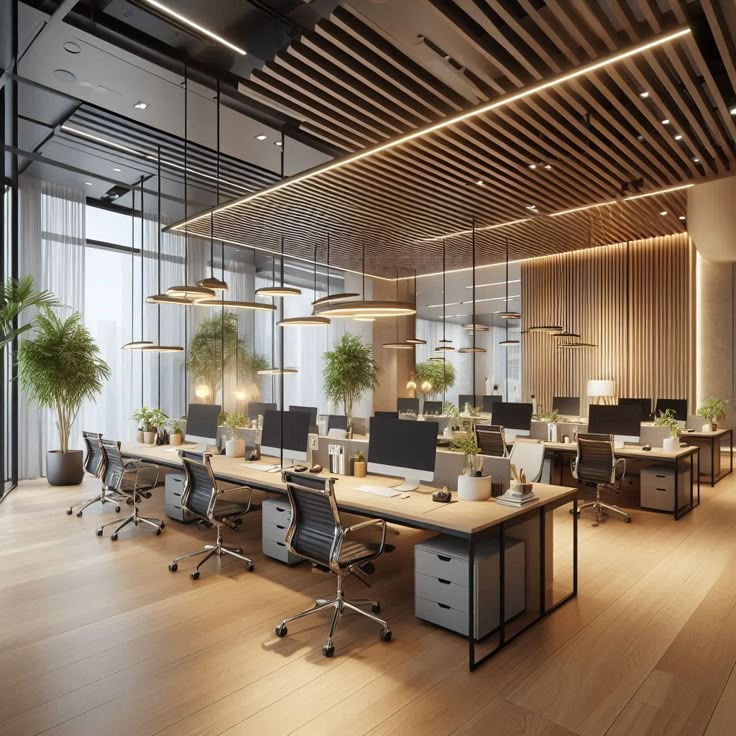
1. Lighting Directly Impacts Employee Productivity
Employees spend a significant portion of their day indoors.
If a workspace is too dark, employees may struggle to stay focused. If it’s too bright or harsh, it can become uncomfortable and distracting.
Proper lighting helps employees:
- Stay alert
- Read documents comfortably
- Work more efficiently
- Maintain concentration
- Reduce visual fatigue
When people can work comfortably, they naturally become more productive.
2. Natural Light Improves Performance
Natural daylight is widely regarded as the best source of workplace lighting.
Numerous workplace studies have shown that employees who have access to natural light often experience:
- Better concentration
- Improved mood
- Higher energy levels
- Greater job satisfaction
- Better sleep quality
Large windows, glass partitions, and open layouts allow sunlight to reach more areas of the office.
Natural light also helps regulate the body’s internal clock, known as the circadian rhythm, which influences alertness and overall well-being.
Whenever possible, businesses should maximize the use of daylight in their office design.

3. Good Lighting Reduces Eye Strain
Many employees spend hours working on computers.
Poor lighting forces the eyes to work harder, leading to:
- Eye strain
- Blurred vision
- Dry eyes
- Headaches
- Fatigue
Proper lighting balances brightness between computer screens and the surrounding environment.
This creates a more comfortable workspace and reduces physical discomfort during long working hours.
4. Lighting Influences Mood and Motivation
The atmosphere of a workplace affects how employees feel.
Dark, poorly lit offices often feel dull and uninspiring.
Bright, balanced lighting creates a more welcoming environment that encourages positivity and engagement.
Employees who enjoy their work environment are generally more motivated and enthusiastic about their tasks.
A brighter workspace often contributes to a brighter mindset.

5. Different Tasks Require Different Types of Lighting
Not every area of an office should have the same lighting.
Different workspaces benefit from different lighting solutions.
For example:
Workstations
Require bright, even lighting for reading, writing, and computer work.
Meeting Rooms
Benefit from adjustable lighting that supports presentations and discussions.
Reception Areas
Should have warm, welcoming lighting that creates a positive first impression.
Breakout Spaces
Often use softer lighting to encourage relaxation and informal conversations.
Designing lighting around specific activities creates a more functional workplace.
6. Lighting Supports Creativity
Creative thinking doesn’t only depend on talent,it is also influenced by the work environment.
Research suggests that comfortable, well-balanced lighting can encourage innovative thinking by reducing stress and creating a more relaxed atmosphere.
Creative agencies, design studios, and collaborative workspaces often combine natural light with adjustable lighting to support brainstorming sessions and creative projects.
The right environment helps great ideas flourish.

7. Lighting Enhances Workplace Safety
Poor visibility increases the risk of workplace accidents.
Proper lighting improves safety by making it easier for employees to:
- Navigate walkways
- Read signs
- Operate equipment
- Identify hazards
This is particularly important in warehouses, manufacturing facilities, and offices with stairs or storage areas.
A well-lit workplace protects both employees and visitors.
8. Lighting Shapes Client Perception
Lighting doesn’t only affect employees, it also influences how clients perceive your business.
Imagine walking into two offices.
One feels dark, outdated, and gloomy.
The other is bright, welcoming, and professionally lit.
Which business would inspire greater confidence?
Reception areas, meeting rooms, and client-facing spaces should use lighting that reflects professionalism and attention to detail.
Lighting becomes part of your brand experience.
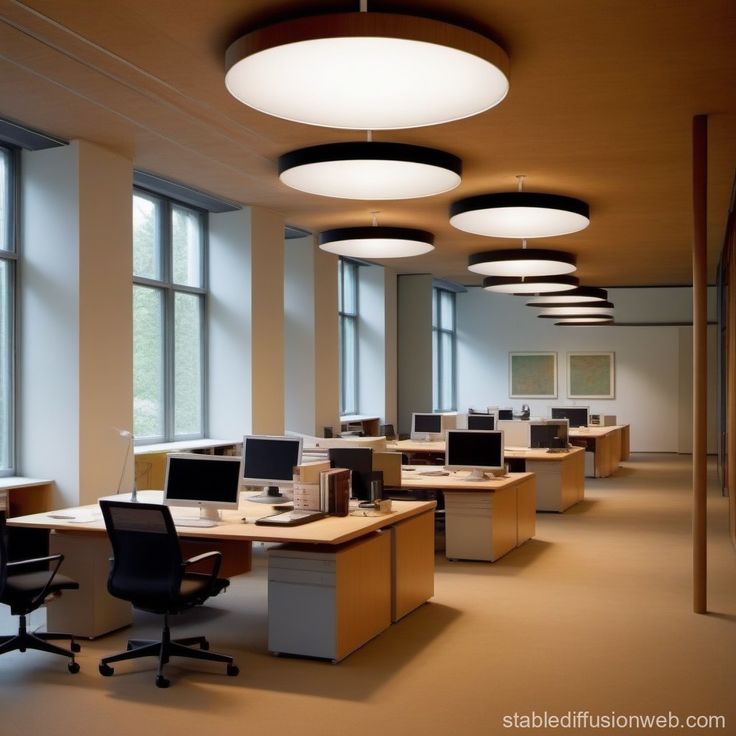
9. Energy-Efficient Lighting Benefits Businesses
Modern lighting solutions do more than improve workplace comfort, they also reduce operating costs.
LED lighting offers several advantages:
- Lower electricity consumption
- Longer lifespan
- Reduced maintenance
- Better brightness control
- Improved environmental sustainability
Businesses that upgrade to energy-efficient lighting often reduce utility expenses while creating better working environments.
Good design and sustainability can go hand in hand.
10. Lighting Should Be Part of Every Office Design Strategy
Lighting should never be treated as an afterthought.
Instead, it should be integrated into the overall office design from the beginning.
A successful lighting plan considers:
- Natural daylight
- Artificial lighting
- Employee comfort
- Workspace function
- Energy efficiency
- Brand image
When lighting works together with furniture, colours, and layout, it creates a workspace that is both functional and visually appealing.
Thoughtful lighting design contributes to long-term business success.
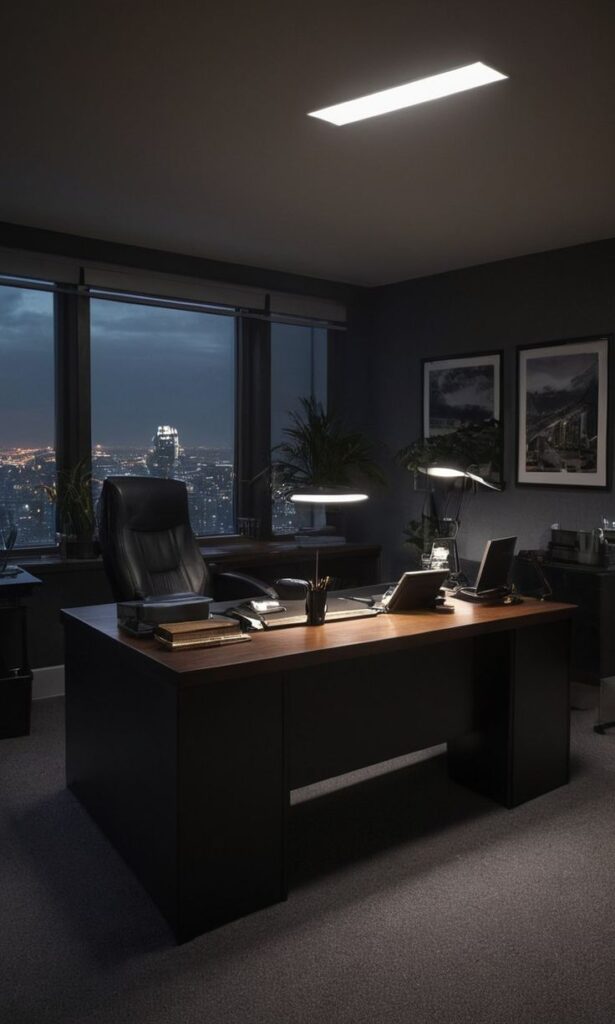
Common Workplace Lighting Mistakes
Many businesses unintentionally reduce productivity through poor lighting decisions.
Some common mistakes include:
- Relying solely on harsh fluorescent lighting.
- Blocking natural light with unnecessary partitions.
- Using the same lighting throughout every workspace.
- Ignoring glare on computer screens.
- Poorly lighting reception areas and meeting rooms.
- Neglecting maintenance of outdated lighting fixtures.
Addressing these issues can significantly improve both employee satisfaction and workplace performance.
Conclusion
Lighting is one of the most influential elements of workplace design.
It affects productivity, employee well-being, creativity, safety, and even how customers perceive your business.
By investing in thoughtful lighting design, businesses create environments where employees can perform at their best while making positive impressions on clients and visitors.
A successful workplace is not only defined by the people who work there,it is also shaped by the environment that supports them.
Sometimes, improving productivity doesn’t require hiring more people or buying new technology.
Sometimes, it simply begins with better lighting.
At Branda.com.ng, we believe exceptional workspaces are designed with every detail in mind.
From office planning and interior design to branding, website development, and digital solutions, we create environments that inspire productivity, strengthen collaboration, and leave lasting impressions.
Because great business performance starts with a workspace designed for success.
